Story by Joy Vallary and Photos by Lorraine Faith
Triumph Amid Complications
At just six months pregnant, 29-year-old Belinda Mukolwe from Manyatta, Kisumu, feared she could lose both her life and that of her unborn baby after developing severe complications linked to preeclampsia.
She was referred from a private health facility to Jaramogi Oginga Odinga Teaching and Referral Hospital (JOOTRH) for specialized management, where doctors and nurses immediately moved to stabilize her condition. Today, both mother and child are steadily recovering during a month globally dedicated to raising awareness on preeclampsia and maternal health complications.
Ms. Mukolwe was admitted to JOOTRH on May 18 after experiencing severe swelling in her legs, persistent discomfort, and dangerously high blood pressure. Her condition was further complicated by an underlying diagnosis of ascites, a condition characterized by abnormal fluid accumulation in the abdomen, which significantly worsened her clinical state.
Preeclampsia is a life-threatening pregnancy complication associated with high blood pressure that can affect vital organs such as the kidneys, liver, brain, and placenta if not detected and managed early. The condition may also reduce oxygen and nutrient supply to the baby, increasing the risk of premature birth, organ failure, seizures, and even death of both mother and child.
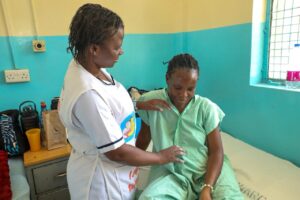
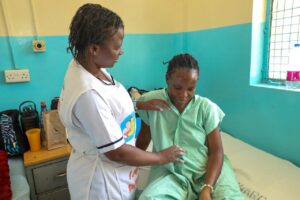
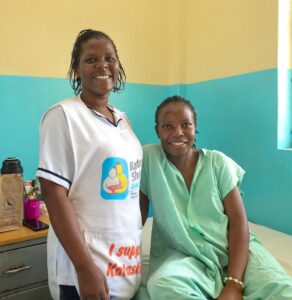
Upon arrival at JOOTRH, Ms. Mukolwe was immediately attended to by nurse Irene Awino Nyarath before being placed under close observation by the maternity team. Doctors worked urgently to stabilize both mother and baby while managing the high-risk pregnancy.
Following careful assessment, the medical team performed an emergency Caesarean section to save both lives. The procedure was successful, delivering a premature baby girl weighing 1.2 kilograms.
Though born fragile and underweight, the newborn showed signs of resilience and was immediately admitted to the Intensive Care Unit (ICU), where neonatal specialists continue providing round-the-clock monitoring and care aimed at helping her grow stronger each day.
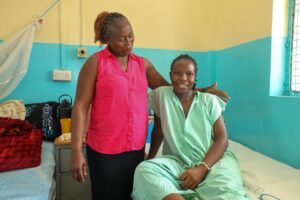
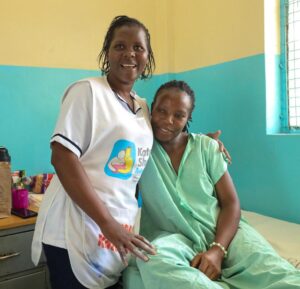
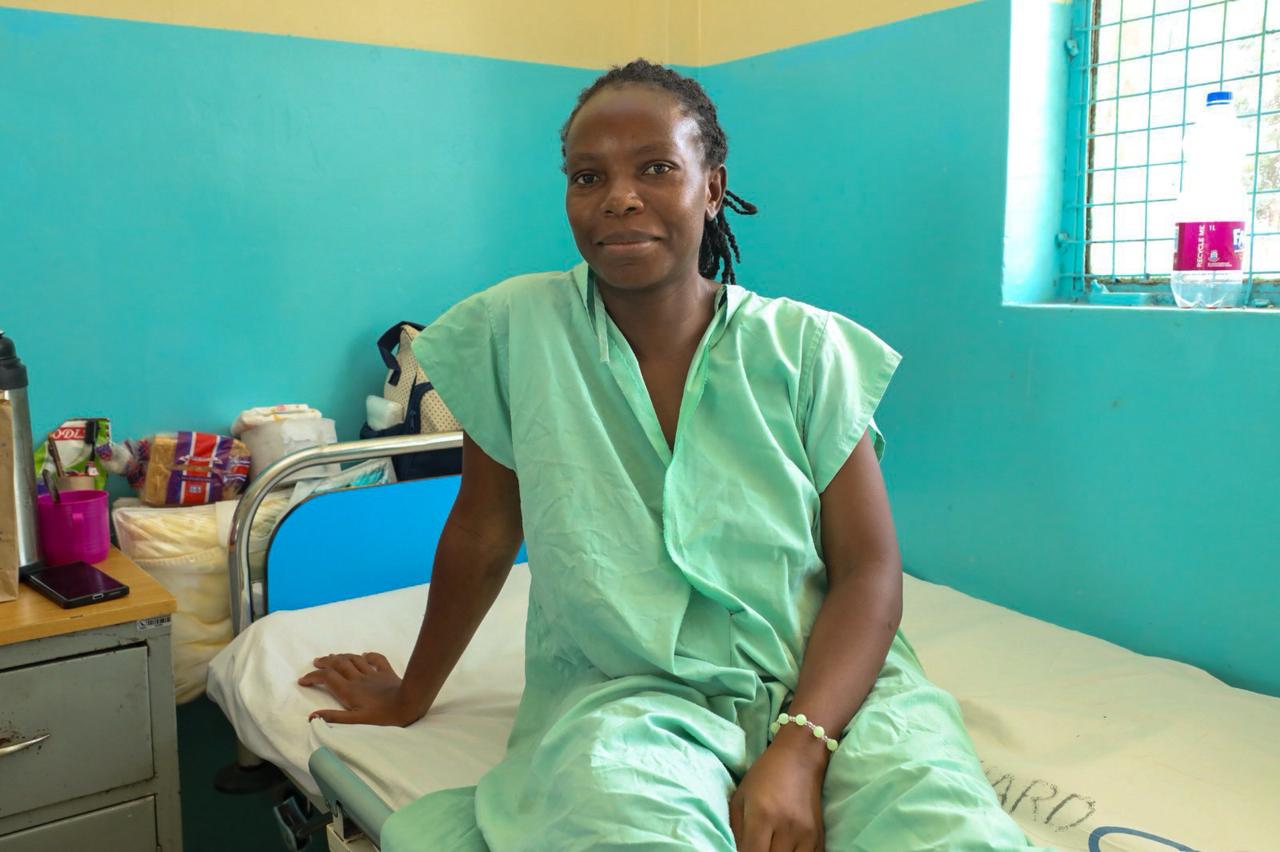
Speaking from her hospital bed in Ward 5, Ms. Mukolwe expressed gratitude to the JOOTRH medical team for their swift response and compassionate care during one of the most frightening moments of her life.
“I was very scared because my condition was worsening very fast, but the doctors and nurses never gave up on me. They encouraged me, monitored me closely, and acted quickly to save my baby and me. I thank JOOTRH for giving us another chance at life,” she said emotionally.
Her family also praised the hospital staff for their dedication and professionalism, describing the experience as terrifying but ultimately reassuring.
The case comes amid growing concern over the sharp rise in preeclampsia and eclampsia cases being reported at JOOTRH. Hospital statistics reveal that out of every 300 births, approximately 30 women now present with high blood pressure complications during pregnancy — a fourfold increase from previous records, which averaged only seven cases per 300 births.
According to Rosebella Apollo, Deputy Director of Nursing and Maternity Nurse Manager at JOOTRH, healthcare workers are increasingly witnessing women developing severe pregnancy-related hypertension much earlier than expected.
“We are observing a trend where women are presenting with high blood pressure complications in less than 20 weeks of gestation, which is far earlier than global guidelines indicate,” she noted.
The hospital has also recorded a worrying rise in secondary complications linked to preeclampsia, including acute kidney injury requiring dialysis treatment. In just one month, seven pregnant women suffering kidney complications related to preeclampsia required specialized renal care at the facility.
Doctors say symptoms of preeclampsia may include severe headaches, swelling of the legs and face, blurred vision, breathing difficulties, abdominal pain, and persistent high blood pressure. Medical experts continue to urge pregnant women to attend regular antenatal clinics because routine checkups help detect warning signs early before complications become severe.
In response to the growing crisis, JOOTRH has strengthened referral systems, intensified maternal screening programs, and enhanced training for healthcare workers to improve early detection and management of pregnancy-related hypertension. Specialists from the hospital also conduct outreach visits to lower-level facilities to support early diagnosis and treatment of expectant mothers.
As the world marks Preeclampsia Awareness Month, Ms. Mukolwe’s recovery journey stands as a powerful reminder that preeclampsia is manageable when detected early and treated promptly through timely referral, skilled care, and consistent antenatal follow-up.
As she recovers beside her tiny newborn daughter, her story reflects not only the dangers posed by preeclampsia, but also the lifesaving impact of timely medical intervention, specialized maternal healthcare, and dedicated healthcare workers at JOOTRH.