Story by Elizabeth Achieng and Photos by Philister Adhiambo
When Loicer Atieno gave birth to her daughter, Winnie Noela, what should have been a moment of joy quickly turned into one of fear and uncertainty.
Born extremely premature and weighing just 600 grams, baby Winnie was so tiny and fragile that she was immediately admitted to the Newborn Unit (NBU) at Jaramogi Oginga Odinga Teaching and Referral Hospital (JOOTRH), where a dedicated team of healthcare workers began providing specialized care to help her survive.
For Ms. Atieno, the days that followed were some of the most difficult of her life. “I was very scared,” she recalls. “My baby was so small, and I did not know what would happen. Every day felt uncertain.”
Because she was born too soon, Winnie’s lungs had not fully developed, making it difficult for her to breathe on her own. Doctors placed her on Continuous Positive Airway Pressure (CPAP) support for two weeks to help keep her airways open and improve oxygen flow to her lungs.
Prematurity remains one of the leading causes of newborn illness and death worldwide, with more than 13 million babies born too soon each year. Babies born before 37 weeks of pregnancy face increased risks because vital organs such as the lungs, brain, and immune system may not be fully developed.
Factors associated with preterm birth include maternal infections, high blood pressure, diabetes, multiple pregnancies, poor maternal nutrition, inadequate antenatal care, and other pregnancy-related complications. Health experts note that many premature babies can survive and thrive when they receive timely, specialized newborn care and close monitoring.
“It was one of the hardest moments of my life,” says Ms. Atieno. “Seeing her connected to machines was painful, but the nurses kept encouraging me and reminding me not to lose hope.”
As Winnie continued fighting for survival, doctors identified another challenge. She developed Bronchopulmonary Dysplasia (BPD), a chronic lung condition that can affect premature babies who require prolonged respiratory support and oxygen therapy. The diagnosis meant she would need continued monitoring and specialized care even after being weaned off CPAP support.
Healthcare workers in the Newborn Unit closely monitored her breathing, feeding, growth, and overall development while ensuring she received the care needed to overcome the complications associated with extreme prematurity.
The journey was far from easy. There were days when progress seemed slow and moments when her family worried about what the future would hold. Yet despite the challenges, Winnie continued to demonstrate remarkable resilience.
Gradually, her condition improved. Her weight increased from 1,700 grams to 1,800 grams and continued rising steadily as she responded positively to treatment, nutritional support, and the dedicated care provided by the healthcare team.
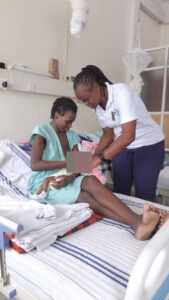
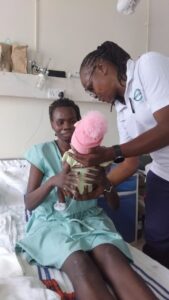
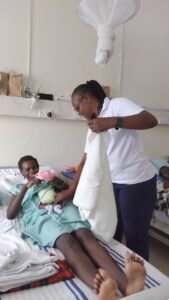
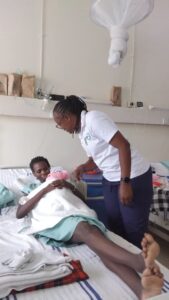
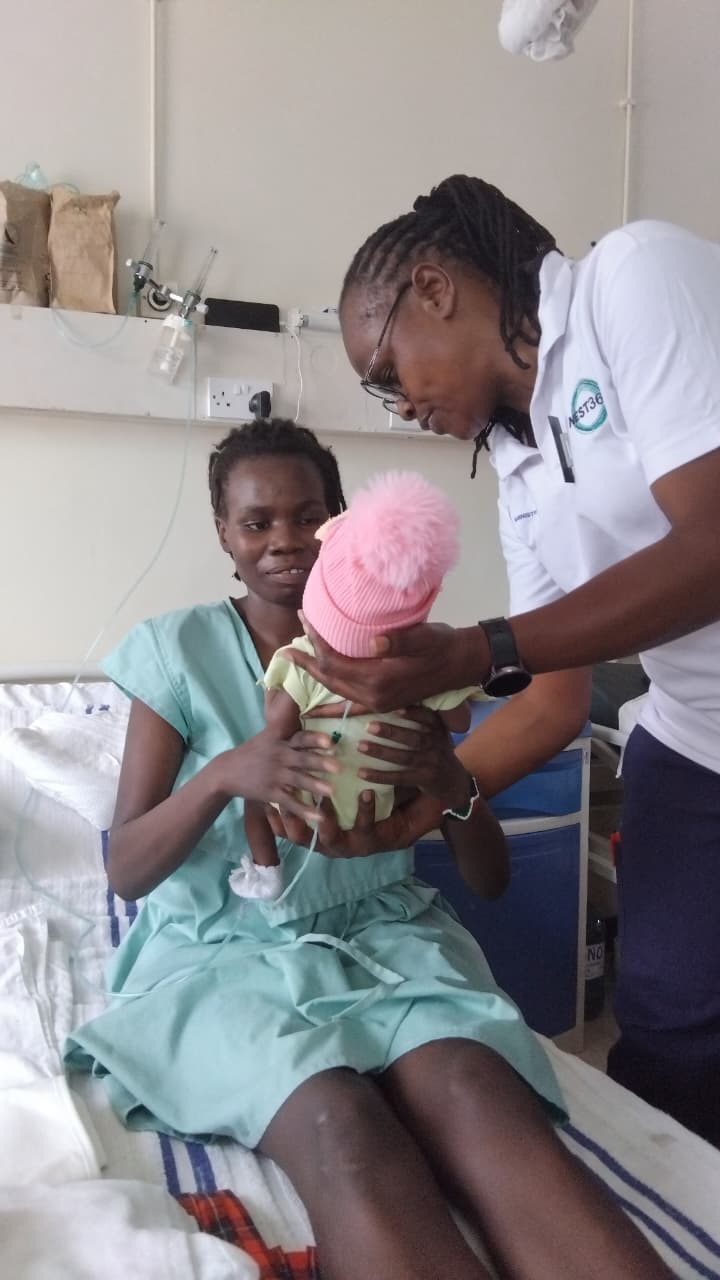
Today, Winnie weighs 3,120 grams (3.12kg). The tiny infant who once struggled for every breath has grown stronger and is now ready to begin the next phase of her recovery at home.
For the healthcare workers who cared for her, Winnie’s progress has been a source of encouragement and hope.
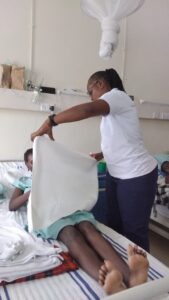
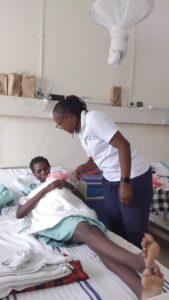
“She has really shown strength,” says Ms. Rose Maoga, a nurse in the Newborn Unit. “Watching her improve day by day has been encouraging not only for healthcare workers but also for other mothers whose babies are admitted here.
The Newborn Unit at JOOTRH plays a critical role in supporting premature and sick newborns during their most vulnerable moments. Through respiratory support, oxygen therapy, nutritional management, infection prevention, and continuous monitoring, healthcare teams work tirelessly to improve survival outcomes and give newborns the best possible start in life.
Now ready for discharge, Winnie will continue her recovery journey at home. Doctors have recommended home-based oxygen therapy, and her family is hopeful of obtaining an oxygen concentrator to support her breathing as she continues to grow stronger.
For Ms. Atieno, taking her daughter home is a moment she once feared might never come.
“I am happy because my baby survived,” she says with a smile. “At one point I feared losing her, but today when I look at her, I see hope.”