Story by Faith Okech and Esther Akinyi
“I would feel dizzy and sometimes notice blood on the tissue after visiting the toilet. There was also a protrusion from the rectal area that would come out and become bigger, and I often had to push it back inside.”`
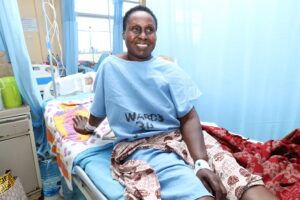
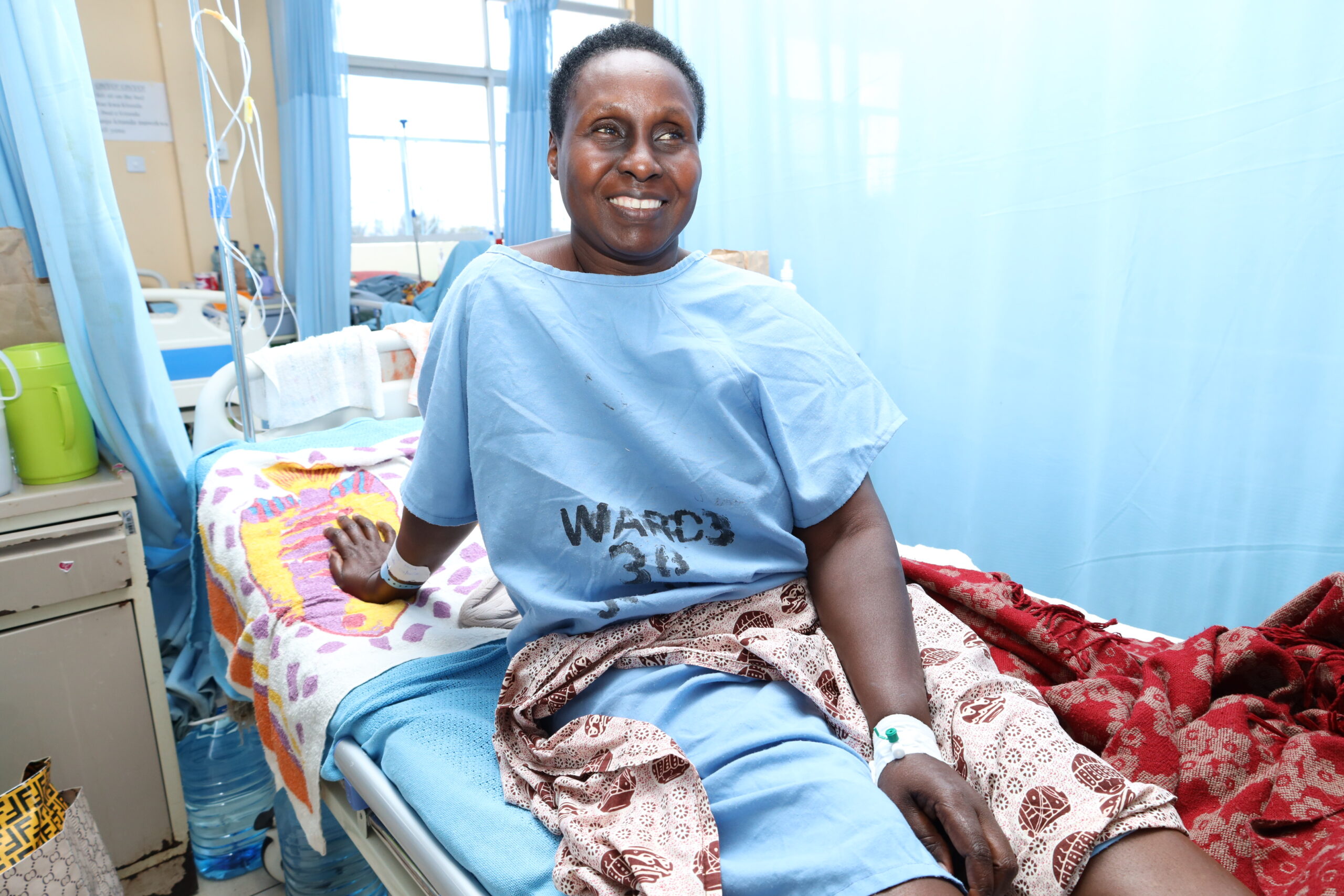
For years, these symptoms were a source of discomfort, worry, and embarrassment for 52-year-old Caroline Akinyi, a mother and mitumba (second-hand clothing) trader from Nyalenda in Kisumu County.
The symptoms began shortly after the birth of her last child. At first, they seemed manageable, but over time they became a constant burden that affected her daily life and ability to work.
Unsure of what she was experiencing, Ms. Akinyi assumed she might be suffering from fibroids or endometriosis. Like many people struggling with unexplained health conditions, she turned to traditional herbal remedies in search of relief.
“The pain would disappear for some time after taking the herbs, but it would always come back,” she recalls.
For 15 years, Ms. Akinyi lived with the condition without receiving a proper diagnosis. Despite the persistent discomfort, she continued with her daily responsibilities while silently enduring the symptoms.
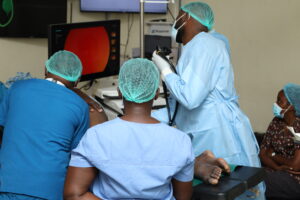
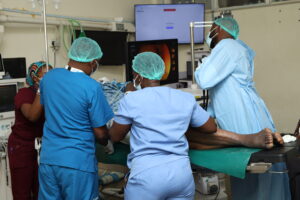
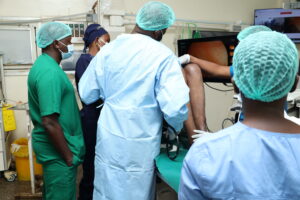
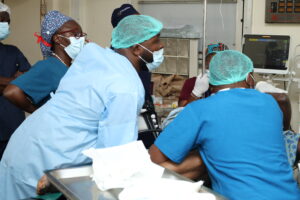
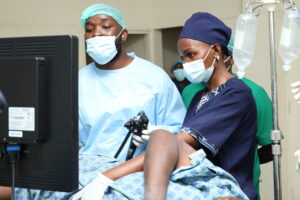
Her long struggle finally came to an end through a successful colorectal surgery performed during the ongoing Colorectal Surgical Camp at Jaramogi Oginga Odinga Teaching and Referral Hospital (JOOTRH).
The turning point came when she visited the hospital seeking treatment for a neck problem. During one of her consultations, she shared the symptoms she had endured for years with a doctor.
The doctor recognized the need for further evaluation and informed her about the specialized colorectal camp being conducted at the hospital from June 1st to 5th.
“I am grateful that the doctor listened to me,” says Ms. Akinyi. “If I had not spoken about my problem, I might still be suffering today.”
The camp is providing specialized assessment and treatment for a wide range of colorectal conditions, including haemorrhoids (piles), rectal prolapse, anal fistulas, anal fissures, colorectal cancers, and other disorders affecting the colon, rectum, and anus. By bringing expert services closer to patients, the initiative is helping many people access treatment that might otherwise be delayed.
Today, Ms. Akinyi speaks with relief and renewed hope.
“I feel much better now. The pain is gone and I am recovering well,” she says with a smile. “I am looking forward to going back to my business and living my normal life again.”
For Ms. Akinyi, the surgery did more than address a medical condition. It restored her dignity, confidence, and ability to earn a living.
She is now encouraging others not to ignore unusual symptoms or suffer in silence.
“People should not stay at home and suffer like I did,” she advises. “When you notice something unusual in your body, seek medical attention as soon as possible.”