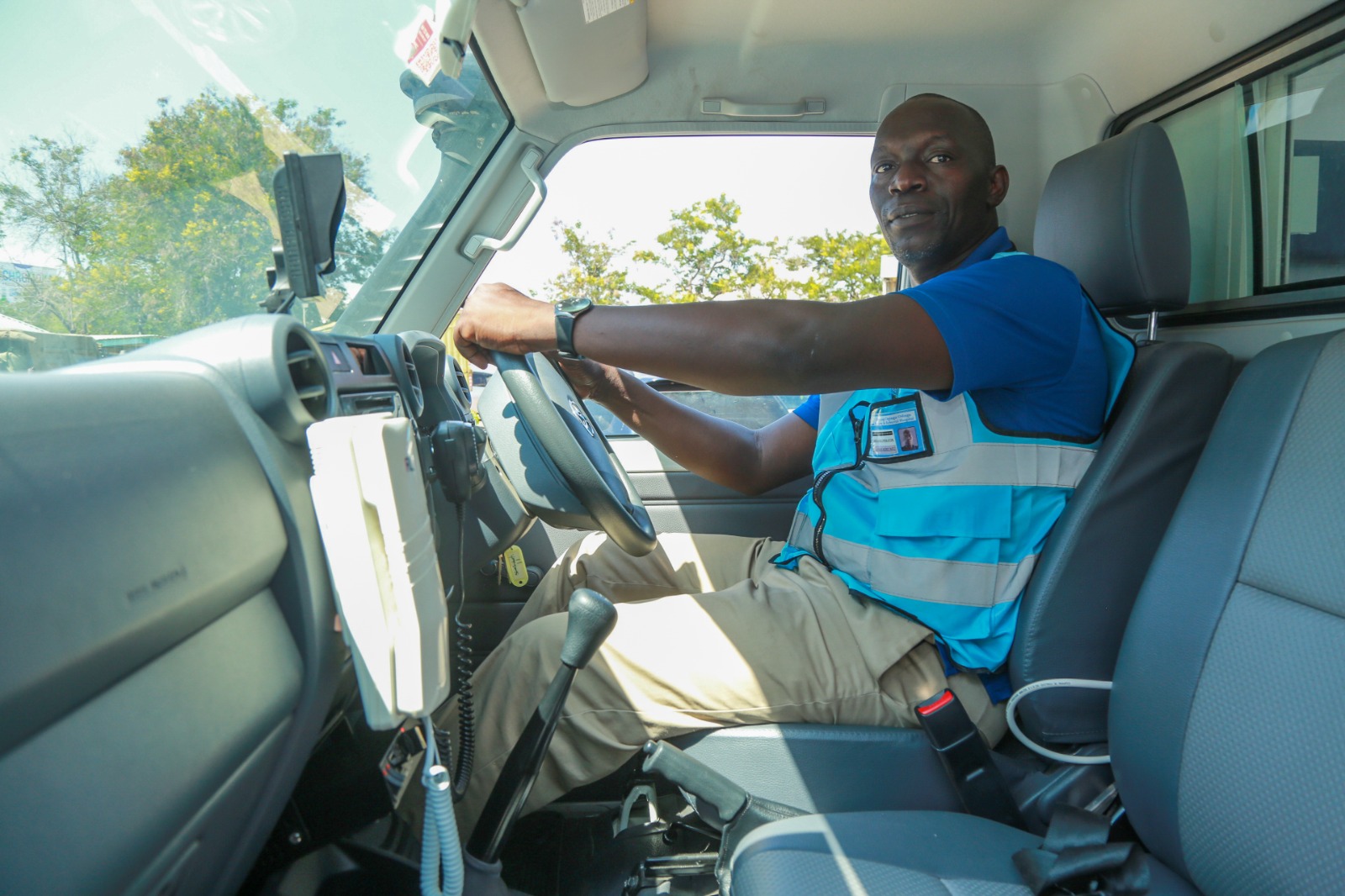
Story by Mercy Chloe, Philister Adhiambo and Carolyne Nyongesa
Their speed, precision, and split-second decisions on the road can mean the difference between life and death for the patients they carry. While any licensed driver can manage steering, accelerating, and braking, driving an ambulance is an entirely different discipline. The difference lies in the psychological pressure, specialized training, legal responsibility, and the unpredictable environments ambulance drivers face every day.
The responsibility of a standard driver ends with operating the vehicle safely. For an ambulance driver, however, the role extends far beyond the steering wheel. Often working alongside emergency medical teams, they become active participants in patient care.
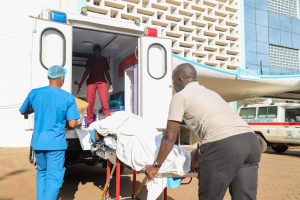
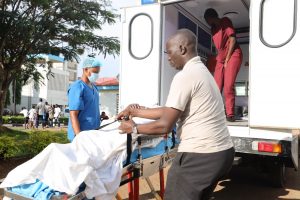
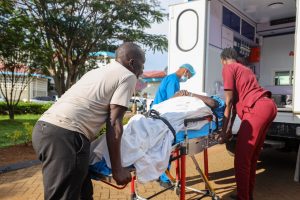
Upon arrival at emergency scenes, they assist in patient rescue and evacuation, lift heavy stretchers, and help secure accident scenes to protect both patients and medical personnel.
While driving, they must remain aware of the medical procedures taking place in the back of the ambulance. A sudden brake, sharp turn, or reckless maneuver could interfere with delicate procedures such as intubation, oxygen administration, or intravenous treatment being performed by medics.
Unlike ordinary driving, ambulance operation demands constant mental alertness and emotional control. Ambulance drivers work under immense cognitive pressure, balancing the urgency of a patient’s condition with the responsibility of ensuring safe arrival at the hospital.
They must remain calm amid flashing lights, blaring sirens, heavy traffic, and emotionally distressed crowds, all while knowing that a human life may depend on every second saved on the road.
“At first, I was shaken and trembled for a moment because I had never witnessed such an incident. I then gathered courage, picked two victims from the accident at Nyamasaria Flyover, and rushed them to the hospital. I remember that act saved the two patients from the fatal accident that claimed many lives,” says Mr. Joash Boyi Gor, In-Charge of Transport at Jaramogi Oginga Odinga Teaching and Referral Hospital (JOOTRH).
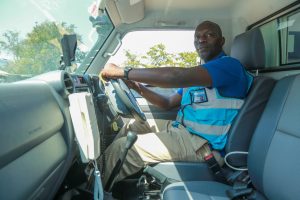
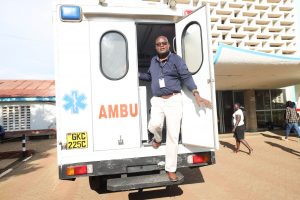
The piercing sirens of an ambulance often draw the attention of onlookers at JOOTRH as skilled ambulance drivers and medics wheel in patients requiring urgent medical attention. For Mr. Gor, this has been part of everyday life for the last seven years.
Working as a driver at JOOTRH, Mr. Gor has been at the forefront of responding to emergency calls that demand swift action to save lives. Such calls keep the emergency team constantly on the move, focused on reaching the scene quickly, stabilizing the situation, and ensuring the patient is safely handed over to doctors for further treatment.
Mr. Gor and his colleagues are also trained in first aid, enabling them to administer immediate care while transporting patients to the hospital. These skills play a critical role in improving patient outcomes and ensuring effective service delivery.
“I didn’t initially join to become an ambulance driver. I had applied for a vacant driver position at the County Government of Kisumu. After recruitment, I was deployed here at the hospital,” he explains.
He later underwent specialized training in emergency response and first aid administration, equipping him with the skills required to handle critical cases as an ambulance driver. Since then, Mr. Gor has learned the importance of exercising extreme caution on the roads, given the fragile condition of the patients under his care. The goal is always to ensure patients arrive at the hospital safely, without causing further injury or complications.
For Mr. Gor and other ambulance drivers at JOOTRH, every day presents a different emergency. Over the years, they have witnessed traumatic accidents, medical crises, and emotionally charged situations. One guiding principle has remained constant: do everything possible in the moment and offer services to the best of their ability. It is this commitment that motivates them to wake up each morning and face the demands of the job, even when it involves long-distance referrals to hospitals as far as Nairobi.
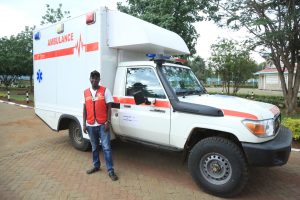
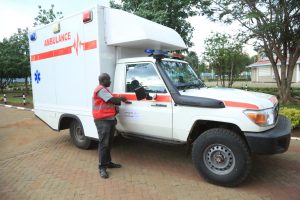
Before any ambulance leaves the hospital, drivers conduct thorough inspections to ensure the vehicle is functioning properly and that all medical equipment is in good condition. Responding to an emergency with a faulty ambulance is not an option, making these routine checks a critical part of their responsibilities.
Throughout their years of service, the drivers have encountered numerous challenges, including dealing with well-meaning but untrained bystanders attempting to assist patients in critical condition. Upon arriving at an emergency scene, the team’s first responsibility is often to secure the area and request members of the public to give space for professional medical intervention.
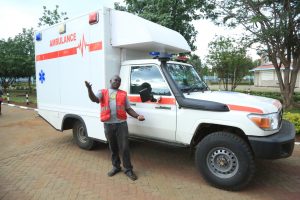
To many people, an ambulance may simply appear to be a vehicle transporting a patient. But to Mr. Gor and his emergency response team, it represents far more than transportation — it is a lifeline, a moving chance to save a human life. Every response call carries the possibility of changing someone’s story forever.
For a regular driver, the primary goal is to reach a destination safely. For an ambulance driver, the mission is far greater — achieving that same safety while battling against time, chaos, and uncertainty to help keep a patient alive.