Story by Juliet Vyola and Photos by Lorraine Faith
The human skin is often misunderstood. To most people, a rash is simply irritation, a dark patch just another mark, or persistent itching something easy to ignore. Yet the skin is one of the body’s clearest indicators of health, often revealing infections, allergies, immune disorders, chronic illnesses, and even emotional distress long before other symptoms appear.
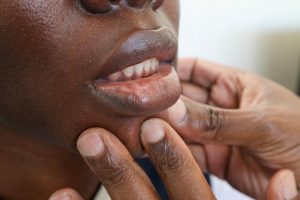
Skin diseases range from mild, temporary conditions to severe, chronic disorders that can alter a person’s confidence, relationships, and quality of life. Some disappear within days, while others require years of treatment, monitoring, and emotional resilience. At Jaramogi Oginga Odinga Teaching and Referral Hospital, the dermatology clinic manages a wide spectrum of conditions including eczema, psoriasis, severe acne, fungal infections, allergic skin reactions, chronic ulcers, and pigment disorders such as vitiligo.
Today, the department has steadily established itself as an important centre for specialized skin care within the region. But years ago, the service did not exist.
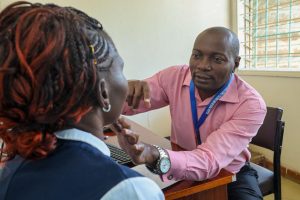
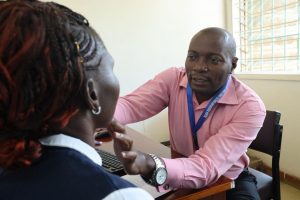
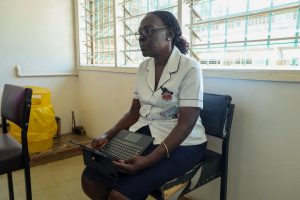
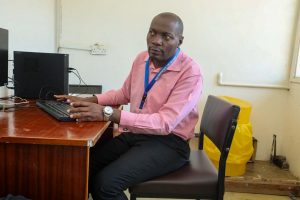
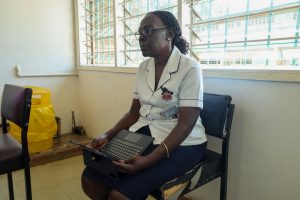
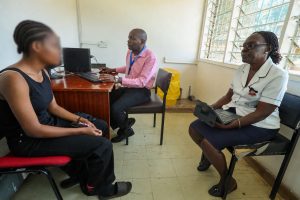
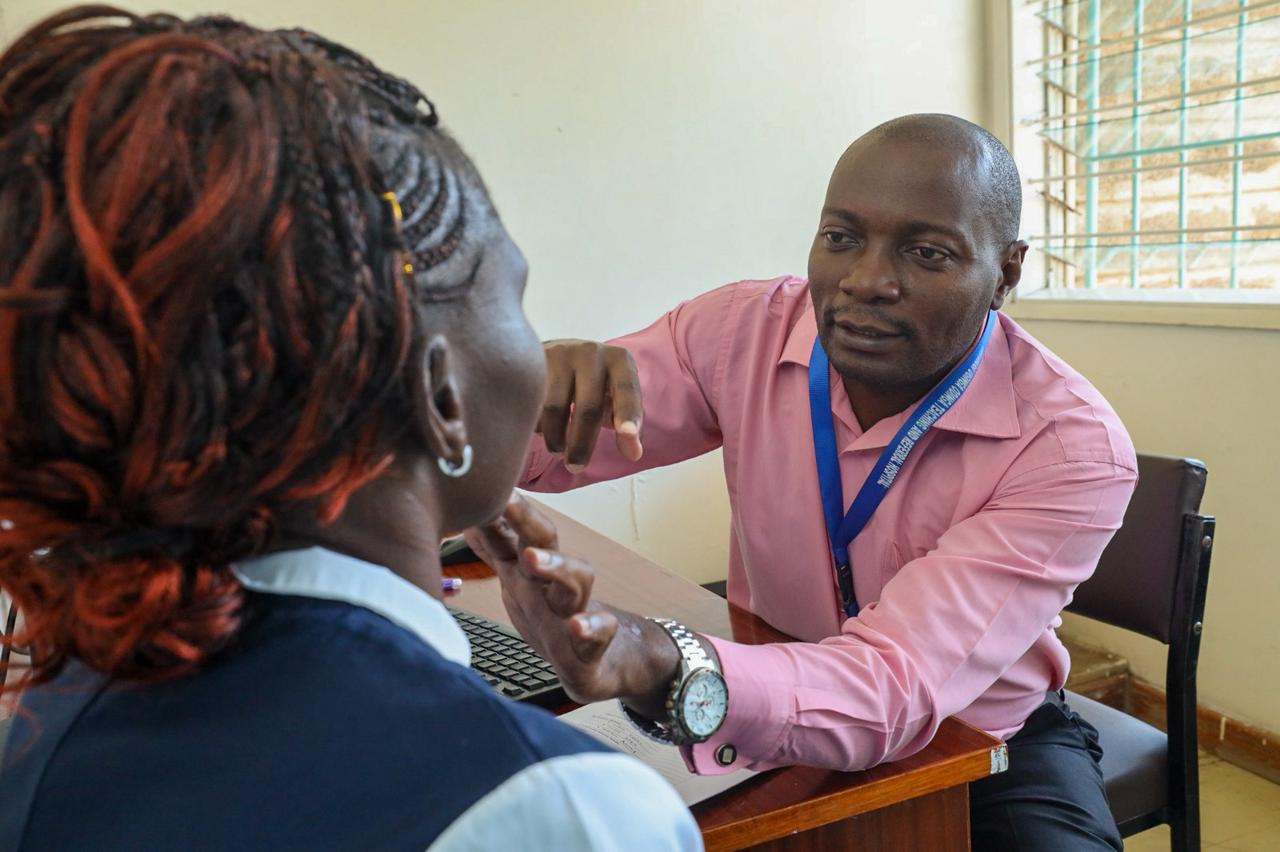
The dermatology department began in 2012 when Caleb Kadima joined JOOTRH at a time when the hospital had no consultant dermatologist and no structured dermatology clinic. Working alongside a nurse who assists in patient care, Kadima started building the service from the ground up.
In its early days, the clinic would sometimes receive as few as two patients in an entire day. Many people living with chronic skin conditions moved from one facility to another searching for treatment, while others depended on chemists, herbal remedies, or over-the-counter creams in an attempt to manage their symptoms.
Over time, however, the demand for specialized skin care steadily increased. Today, the department attends to an average of 15 patients daily. Major dermatology clinics are conducted every Wednesday and Thursday, while consultations and patient reviews continue throughout the week from Monday to Friday. The waiting area is rarely empty. Referrals from other hospital departments continue to rise, and patients now travel from distant regions seeking specialized dermatological care.
But behind every diagnosis lies difficult investigative work.
According to Kadima, one of the biggest challenges in dermatology is that many patients arrive after trying several forms of self-medication. By the time they reach the clinic, the original appearance of the disease has often changed completely, making diagnosis significantly more difficult.
“Sometimes patients apply steroid creams on fungal infections,” he explains. “The steroids suppress the skin’s immunity and allow the infection to spread further. It changes the appearance completely and makes diagnosis much harder.”
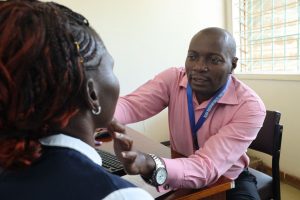
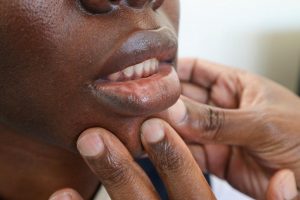
Because many skin conditions share similar appearances, diagnosis often requires more than physical examination alone. Careful assessment of a patient’s environment, occupation, lifestyle, hygiene practices, and medical history becomes essential. In some cases, a persistent rash may eventually be traced to repeated exposure to workplace chemicals, detergents, cosmetics, or even a metal belt buckle irritating the skin over time.
Treatment itself also requires patience and close patient education. Some conditions demand multiple topical medications, each intended for different body areas and applied at different times. Without proper guidance, incorrect use of treatment can easily worsen the condition instead of improving it.
Beyond the physical symptoms, skin diseases also carry emotional and psychological burdens that are often overlooked. Unlike many illnesses hidden within the body, skin disorders remain visible to the world every day. Conditions such as vitiligo, psoriasis, severe acne, and eczema can gradually affect self-esteem, social interactions, and mental wellbeing, particularly when communities misunderstand the conditions.
At the clinic, recovery is therefore measured not only through healing skin but also through restored confidence. Patients who once avoided social spaces because of visible lesions or discoloration often return months later more comfortable, hopeful, and emotionally relieved.
One patient recently contacted Kadima nearly seven years after receiving treatment at the clinic, a reminder of the lasting trust patients continue to place in the department.
As the dermatology unit continues to grow, there are hopes for advanced diagnostic and therapeutic equipment to help improve efficiency and ease the increasing patient load. Yet even without sophisticated machinery, the department has already become something far more significant: a place where patients receive careful attention, dignity, education, and hope.
Within its walls, healing extends beyond the skin itself. It restores comfort, confidence, and the ability for patients to feel whole in their own bodies once again.