Story by Dinah Akinyi and Faith Okech
For an entire month, 26-year-old Lilian Achieng’ from Nyamasaria in Kisumu could only look at her newborn son from a distance.
Her baby, born two months prematurely and weighing just 1,100 grams, was receiving specialised care in the nursery at Jaramogi Oginga Odinga Teaching and Referral Hospital’s (JOOTRH) Newborn Unit. Meanwhile, Lilian lay in the Intensive Care Unit (ICU), critically ill after severe preeclampsia caused her kidneys to fail. Too weak to hold or breastfeed her first child, she was only allowed to leave the ICU briefly twice a week to visit him.
Severe preeclampsia is a pregnancy complication characterised by dangerously high blood pressure and organ damage, usually after 20 weeks of pregnancy. According to the World Health Organization (WHO), it affects between 3 and 8 percent of pregnancies worldwide and can lead to life-threatening complications for both mother and baby if not detected and treated early.
Throughout her pregnancy, Ms. Achieng’ had attended antenatal clinics at Lumumba Sub-County Hospital. However, when complications developed during labour at seven months, she was referred to JOOTRH for specialised care.
By the time she arrived, her condition had worsened considerably. Her face was swollen, she was unable to pass urine and the disease had already affected her kidneys. Moments later, she lost consciousness, prompting the healthcare team to act swiftly to save both her life and that of her baby.
Ms. Achieng delivered a premature baby boy weighing 1,100 grams, who was immediately admitted to the nursery in the Newborn Unit for specialised care. She was transferred to the ICU, where doctors initiated emergency dialysis and intensive treatment after her kidneys shut down.
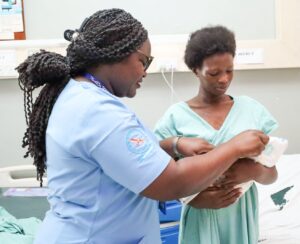
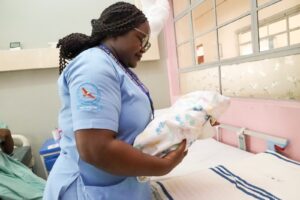
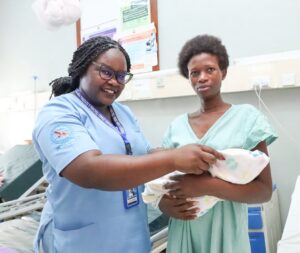
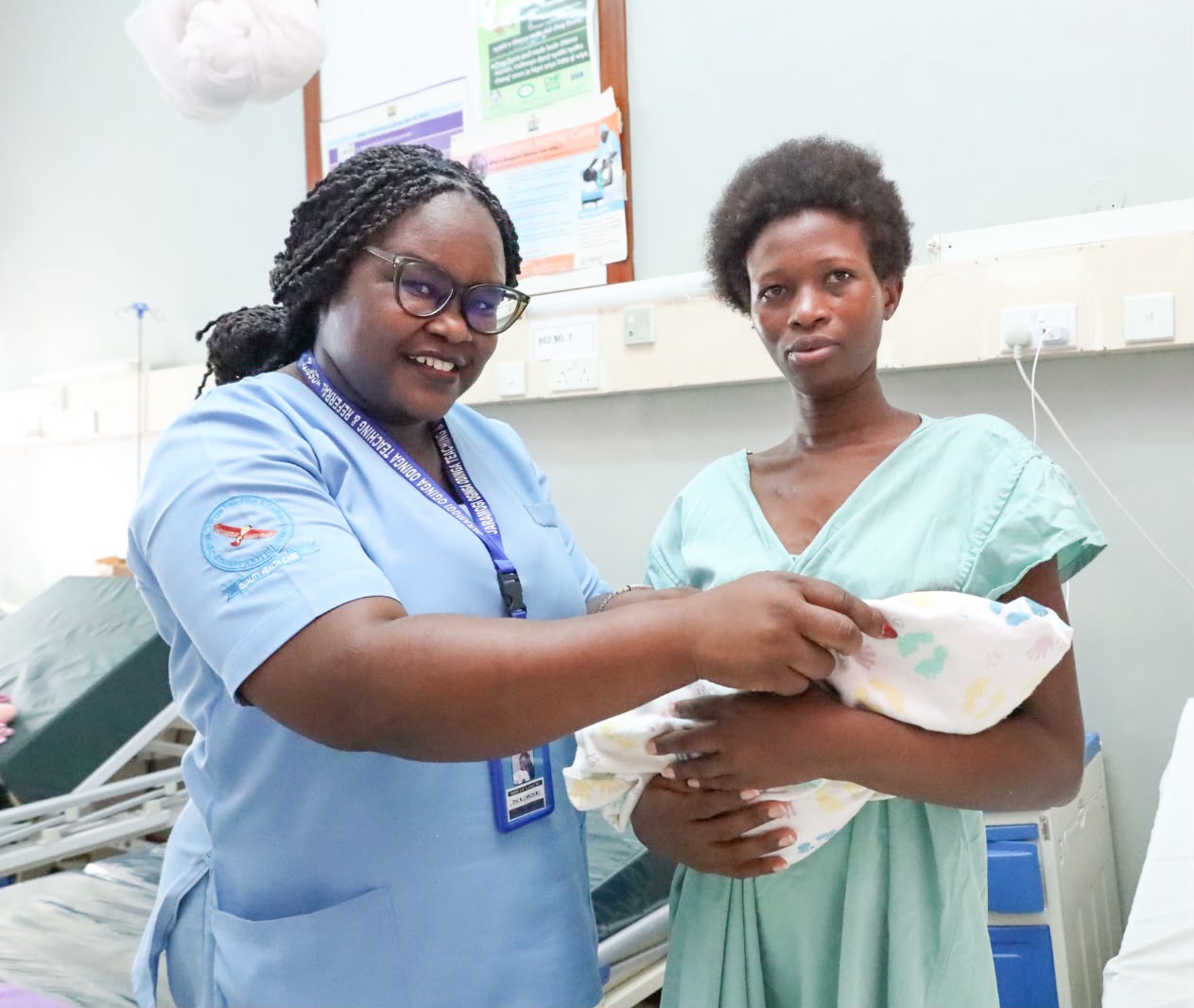
According to Nurse Miriam Okumu, Achieng’s condition required urgent intervention and continuous monitoring.
“The mother had developed severe preeclampsia, which resulted in complete kidney failure. She required dialysis and intensive management to stabilise her condition,” she said.
For the next month, mother and son fought separate battles in different parts of the hospital. While the baby grew stronger under the care of the Newborn Unit team, Lilian gradually recovered through multidisciplinary care involving critical care specialists, nephrology services and dedicated nursing support. As her condition improved, she was allowed to visit her baby twice a week—brief moments that renewed her hope and strengthened her determination to recover.
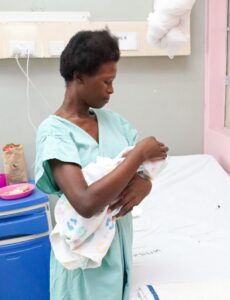
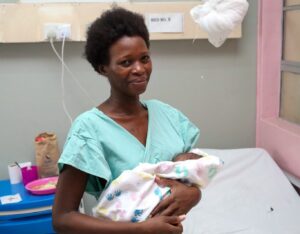
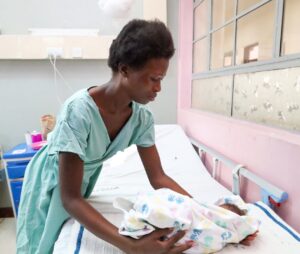
Today, both mother and baby are healthy and reunited. Ms. Achieng’s kidney function has recovered, and she is now breastfeeding her son, something she once feared she might never be able to do.
Reflecting on her journey, she expressed gratitude to the healthcare team that cared for her during one of the most difficult periods of her life.
“I thank JOOTRH because the services are good. The doctors and nurses helped me when my condition was very bad. I encourage expectant mothers to attend antenatal clinics early and consistently so that any problem can be detected before it becomes serious,” she said.
Nurse Miriam says Lilian’s recovery highlights the importance of regular antenatal care, timely referral and access to specialised maternal and newborn services. She encourages expectant mothers to attend all antenatal appointments, monitor their blood pressure and seek immediate medical attention if they experience warning signs such as severe headaches, swelling of the face or hands, blurred vision or reduced urine output.
While preeclampsia remains one of the leading causes of maternal and newborn illness, early detection, prompt referral and coordinated multidisciplinary care can turn a life-threatening pregnancy emergency into a story of survival for both mother and child.