Story by Rachael Omondi, Joy Vallary, Elizabeth Sabinah and Photos by Lorraine Faith
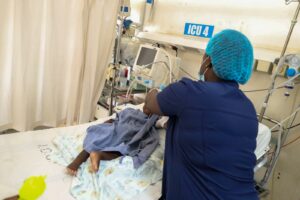
When one-year-old Miracle Maurice arrived at Jaramogi Oginga Odinga Teaching and Referral Hospital (JOOTRH), he was unresponsive and struggling to breathe. Today, he can move his limbs, eat through his mouth, and continues to make remarkable progress toward recovery.
His journey demonstrates how timely diagnosis, specialized intensive care, rehabilitation services, and family support can transform outcomes for children facing severe neurological illnesses.
Miracle was admitted to JOOTRH’s Intensive Care Unit (ICU) on May 11, 2026, in critical condition. He had severe respiratory distress and required immediate intubation and mechanical ventilation to keep him alive. As doctors worked to stabilize him, further investigations revealed the cause of his deteriorating condition: Guillain-Barré Syndrome (GBS), a rare neurological disorder in which the body’s immune system mistakenly attacks peripheral nerves, causing muscle weakness, paralysis, and in severe cases, respiratory failure. According to the World Health Organization, GBS is a rare condition affecting an estimated 1.1 to 1.8 people per 100,000 annually worldwide, while incidence among children ranges from 0.34 to 1.34 cases per 100,000. Most patients recover fully when diagnosed early and provided with appropriate treatment and supportive care.
A study conducted at Kenyatta National Hospital between 2014 and 2023 show that children account for a significant proportion of GBS cases in Kenya, highlighting the importance of strengthening critical care and rehabilitation services for affected patients. The study further found that more than one-third of patients required intensive care during treatment.
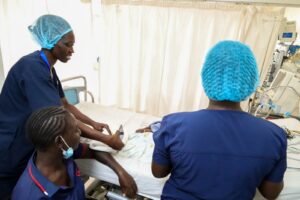
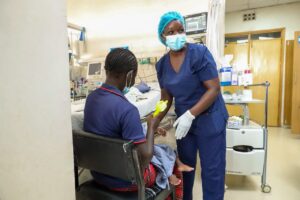
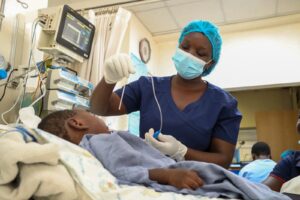
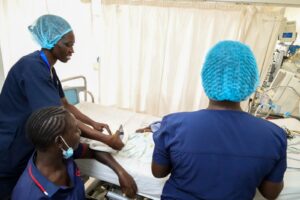
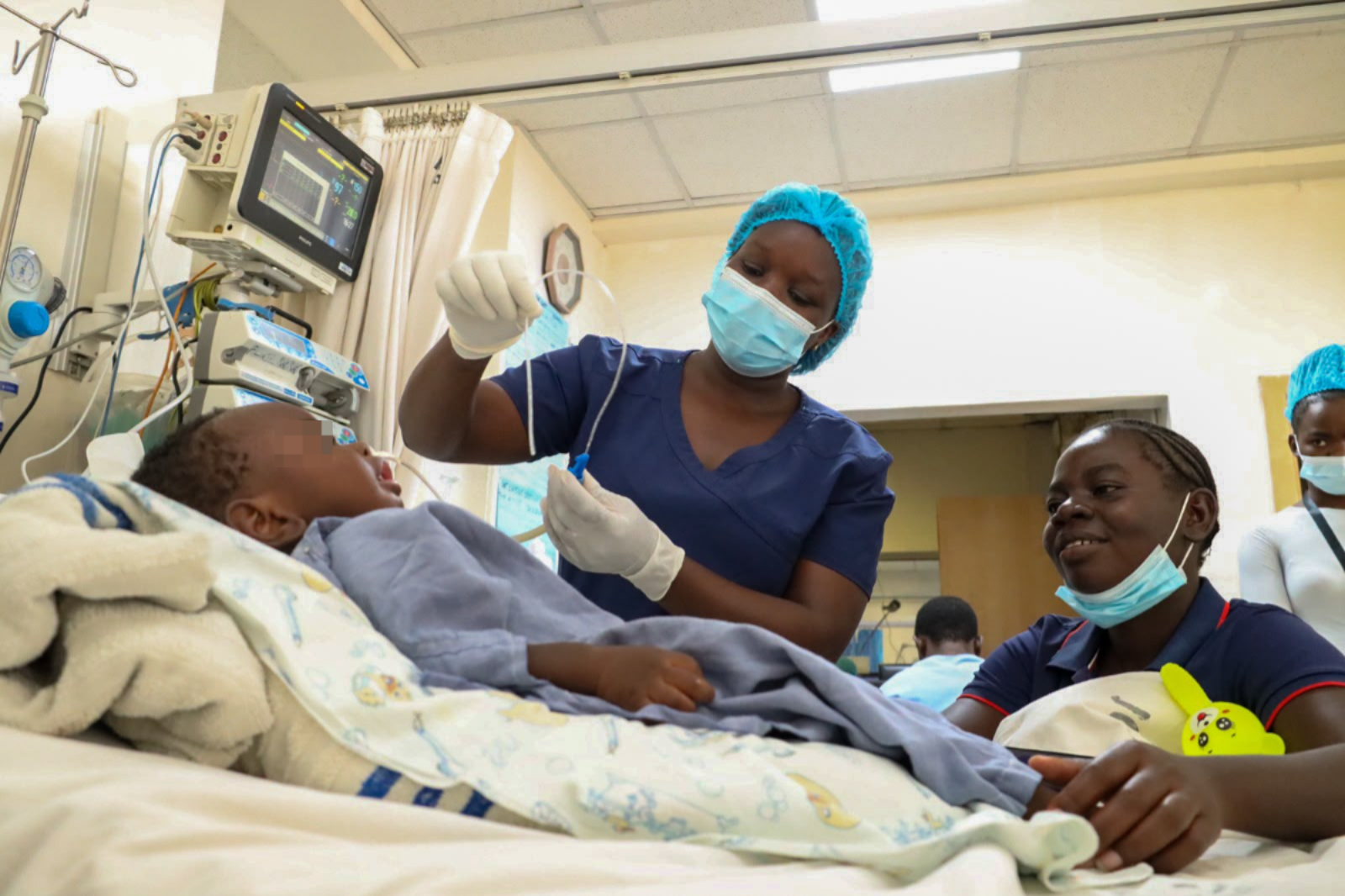
For Miracle, survival depended on a coordinated multidisciplinary response. Following admission, doctors performed a tracheostomy to secure his airway and facilitate prolonged respiratory support. A team comprising critical care specialists, nurses, physiotherapists, and other healthcare professionals worked around the clock to manage his condition and prevent complications.
Among those closely involved in his care is Nurse Patricia Chepkirui, who has monitored his progress throughout his stay in the ICU. She recalls the uncertainty surrounding his early days in hospital when even basic movement was impossible.
“Miracle’s condition was extremely critical when he arrived. Seeing him now moving, interacting and feeding orally is a major milestone and gives us hope that he will continue improving,” she says.
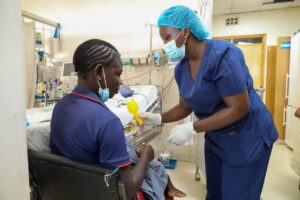
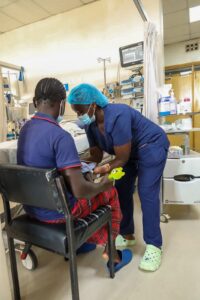
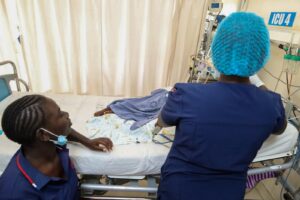
One of the key interventions in his recovery has been physiotherapy. While critical care stabilized his condition, rehabilitation became essential in helping him regain muscle strength and movement lost during the illness. Through consistent therapy sessions, Miracle has gradually recovered functions that once seemed beyond reach.
His progress underscores the growing recognition of rehabilitation as an integral component of healthcare, particularly for patients recovering from neurological conditions. Rather than ending treatment once a patient survives a critical illness, rehabilitation helps restore independence, mobility, and quality of life.
Behind every step of Miracle’s recovery has been his mother, Brenda Anyango, whose unwavering presence has provided comfort and encouragement throughout the long hospitalization. She has remained by his bedside through the uncertainty, setbacks, and victories, drawing strength from each sign of progress.
Today, Miracle is no longer the unresponsive child who arrived fighting for breath. He can move his body, feed orally, and continues to gain strength each day. His tracheostomy is expected to be removed as his condition improves further.
While he remains in the ICU for continued monitoring and treatment, his story highlights what is possible when specialized healthcare services, rehabilitation, and family support come together at the right time. For families facing similar diagnoses, Miracle’s recovery offers a powerful reminder that even in the most critical circumstances, hope can emerge through timely intervention, persistence, and quality care.
As healthcare providers continue to support his journey, each new milestone brings him one step closer to returning home—a testament to resilience, dedicated medical care, and the extraordinary strength found in even the youngest patients.