Story by Lorraine Opondo and Photos by Ondari Ogega
For many women in Western Kenya, the discovery of a breast lump was once the beginning of a gruelling, months-long journey of uncertainty. Previously, patients faced an average wait of eight weeks to receive a formal diagnosis, often arriving at the Jaramogi Oginga Odinga Teaching and Referral Hospital (JOOTRH) with advanced, stage 3 or 4 disease.
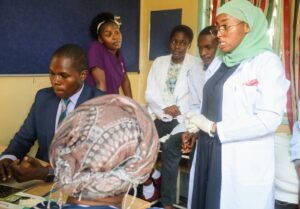
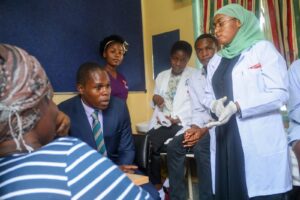
Today, the Kisumu Breast Cancer Project undertaken at JOOTRH is fundamentally changing that narrative. By implementing a “same-day core biopsy” initiative, the project is drastically reducing the path to diagnosis, ensuring that women from the region receive life-saving answers in as little as 21 days.
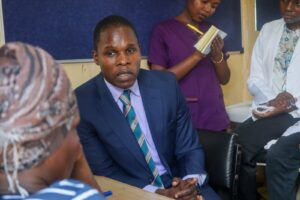
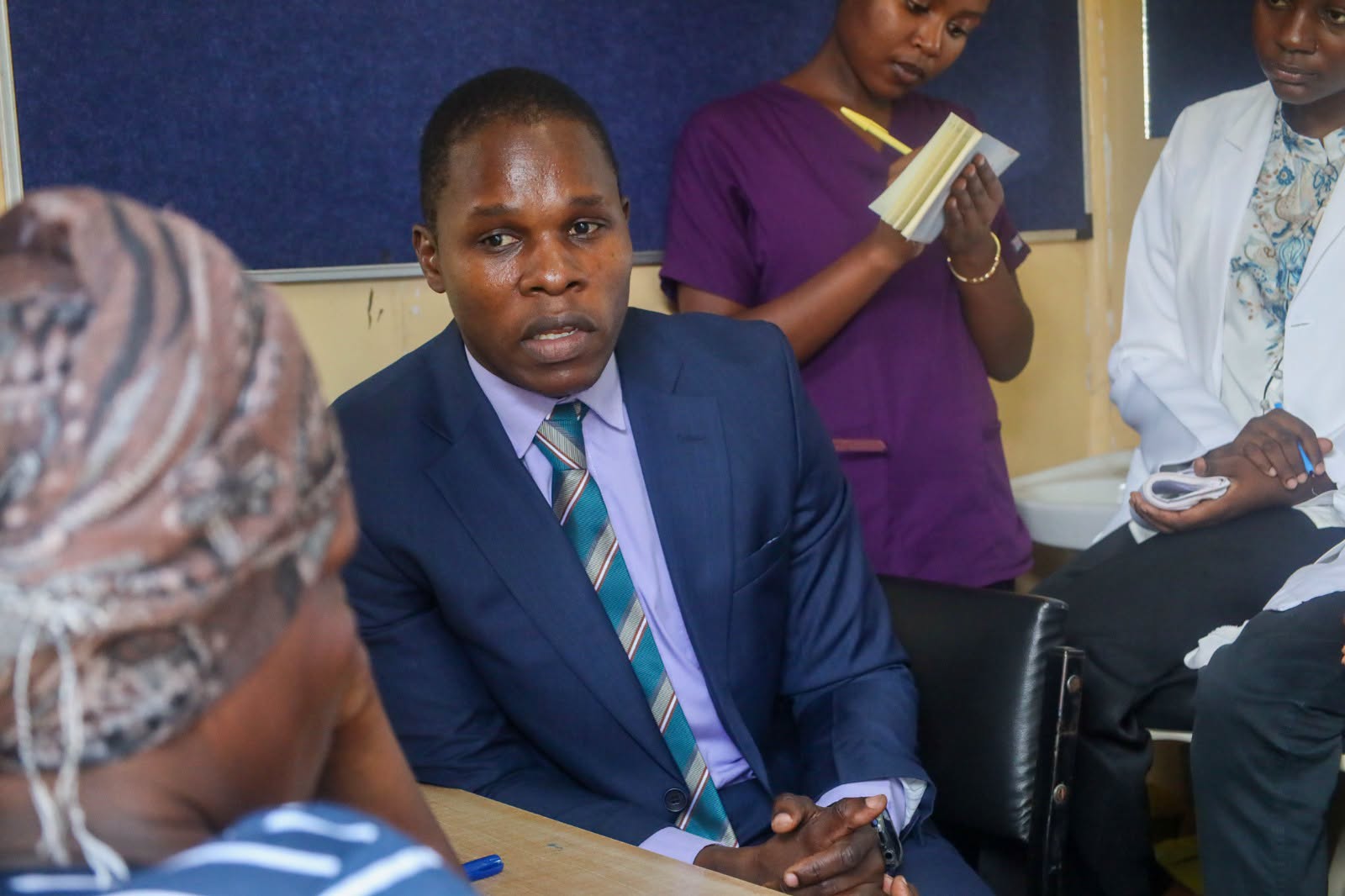
“Same-day core biopsy is a game-changer for us,” says Dr.Albert Ng’ong’a, MD General Surgeon and lead Kisumu Breast Cancer Project, “We try to reduce the number of visits that women have to make to hospitals before they get a diagnosis”.
The urgency behind the project stems from a troubling trend observed by clinicians in the region. Unlike the global average, where breast cancer often appears in women aged 60 to 70, the team at JOOTRH is seeing a high volume of much younger patients in their 30s and 40s.
According to Dr. Ng’ong’a, the medical team is frequently encountering aggressive forms of the disease, specifically triple-negative breast cancer, which carries a higher risk of mortality.
“The majority of our patients, up to 75 percent, have either stage 3 or stage 4 breast cancer at the time we see them,” Dr. Ng’ong’a explains. “So what that means is that we have high morbidity, but also we have high mortality rates of breast cancer compared to the Western world”.
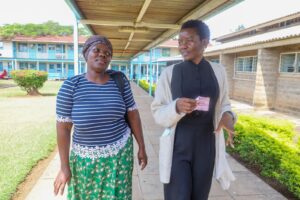
Since its inception one and a half years ago, the project has served as a lifeline for hundreds. It has facilitated 412 biopsies, resulting in 179 breast cancer diagnoses. The initiative acts not just as a diagnostic center, but as a navigator for patients who often lack health insurance and face significant socioeconomic barriers to care.
By streamlining the process, the project has successfully cut wait times from eight weeks down to approximately 21 days, with a future target of 20 days.
“The Kisumu Breast Cancer Project is really life-changing for me, and I believe for hundreds of women,” says Dr. Ng’ong’a.
The success of the project is bolstered by strategic collaborations with the Africa Cancer Foundation—which is celebrating 15 years of cancer navigation in Kenya—as well as the Tiba Foundation.
As the project looks ahead, the focus is shifting toward deep community engagement. Through radio, television, and partnerships with community health workers, the team is working to dismantle the stigma and lack of awareness that prevent women from seeking help for painless breast lumps.
“The biggest for us will be awareness in the community,” Dr. Ng’ong’a notes. “We are rolling out what we call clinical outreaches… the particular aim is to grow our own outreaches, particularly for breast cancer awareness creation and unfiltered diagnosis”.
By bringing diagnostic services directly to the people and fostering a robust, system-wide approach to cancer care at JOOTRH, the Kisumu Breast Cancer Project is transforming a formerly silent crisis into a success story of early detection and hope.