Story by Faith Okech, Esther Akinyi and Photos by Lorraine Faith.
A burn injury can leave lasting effects long after the wound has healed. Months or even years later, tightening scar tissue can restrict movement, making it difficult to straighten an arm, bend a finger or carry out everyday activities. At Jaramogi Oginga Odinga Teaching and Referral Hospital (JOOTRH), patients living with these life-altering complications no longer have to seek care far from home. Through its Plastic and Reconstructive Surgery service, available at the Prime Care Centre, the hospital is restoring movement, function and hope to children and adults across the region.
Among those whose lives have been transformed is seven-year-old Ramsey Kipchumba from Kiboswa, Kisumu County.
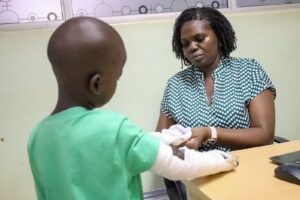
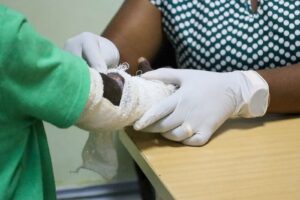
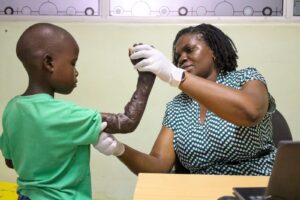
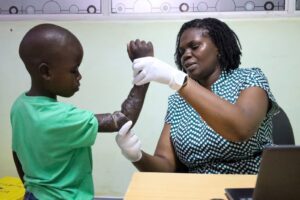
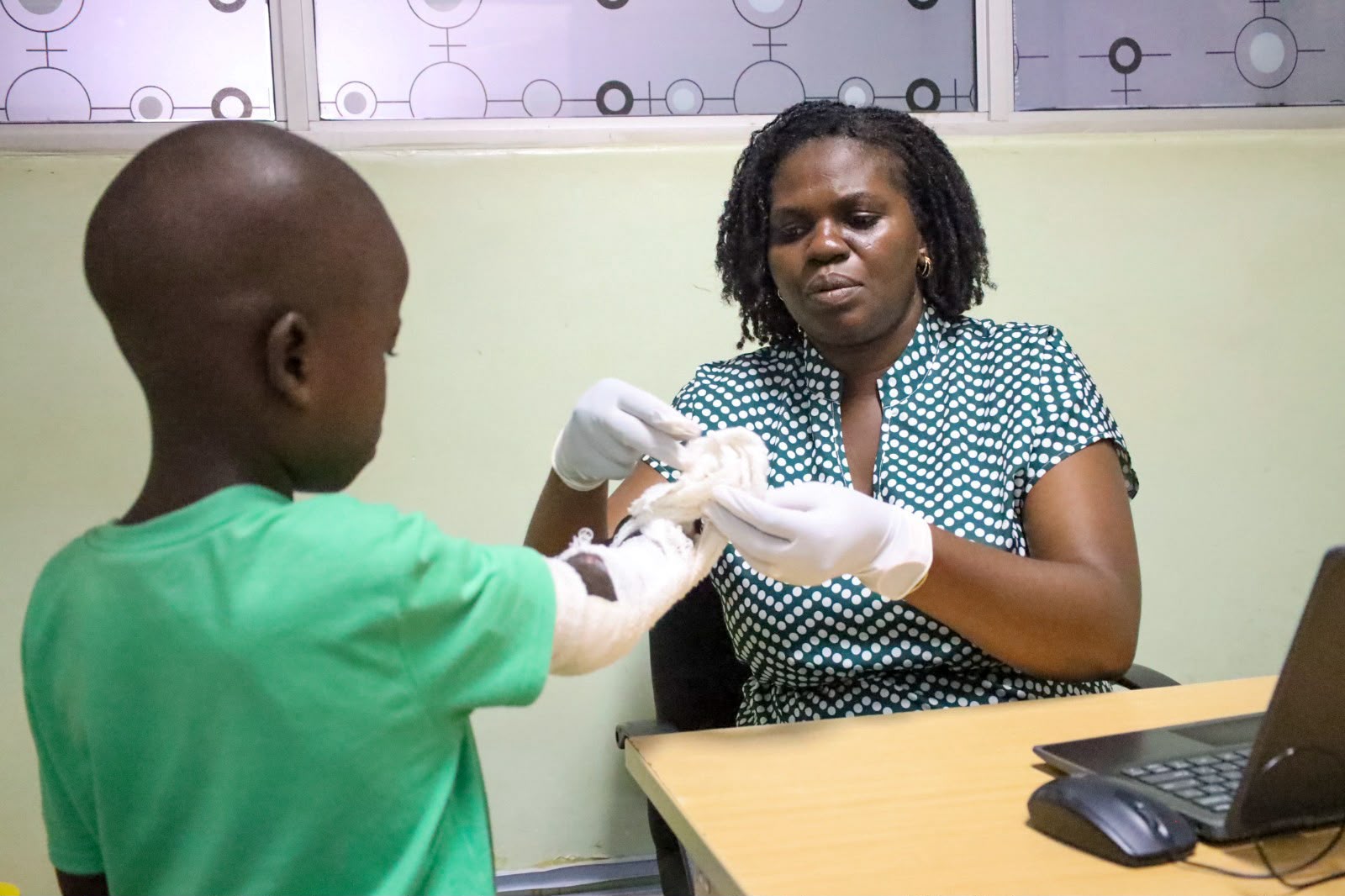
Ramsey sustained a severe burn injury to his hand in 2023. Although the wound healed after about one month, his family soon noticed thick scar tissue developing around the injured area. What initially appeared to be a successful recovery gradually turned into a more complex condition. The scars tightened over time, limiting the movement of his thumb and elbow and making everyday activities increasingly difficult.
Determined to find a solution, Ramsey’s family sought treatment at several health facilities, including one in Eldoret. While his condition initially improved, it later worsened. The hand became swollen, started producing pus and remained persistently itchy. His thumb could no longer move normally, while the inside of his elbow stiffened, making it difficult to fully straighten his arm. The injury also robbed him of the confidence to play freely with other children, as he constantly feared hurting his hand again.
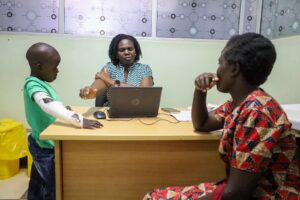
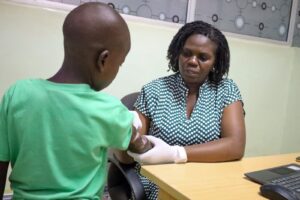
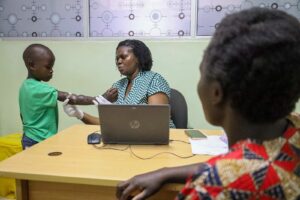
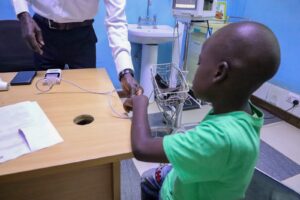
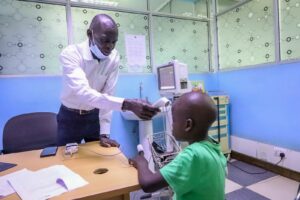
In May 2026, Ramsey’s mother brought him to JOOTRH’s Prime Care Centre, where he was assessed by the Plastic and Reconstructive Surgery team.
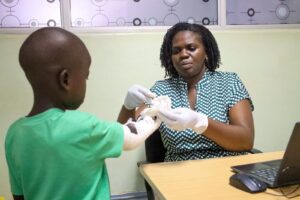
According to Dr. Faith Atieno, Plastic and Reconstructive Surgeon at JOOTRH, Ramsey had developed post-burn scar contractures—a condition in which scar tissue tightens during healing, pulling joints into abnormal positions and restricting movement.
“The misconception is that plastic surgery is only about improving appearance. In reality, reconstructive plastic surgery is about restoring form and function. We help patients regain movement, independence and confidence after injuries, congenital conditions and disease,” she explains.
Ramsey underwent reconstructive surgery in which the contracted scar tissue was carefully released. The resulting defect was then covered using healthy skin and tissue harvested from his lower abdomen, restoring mobility while reducing the risk of the contracture recurring.
For Ramsey and his family, the procedure marked a turning point after years of pain, repeated hospital visits and uncertainty. Today, he is recovering well with renewed hope of enjoying the simple experiences every child deserves.
Introduced in February 2026, JOOTRH’s Plastic and Reconstructive Surgery service has expanded access to specialised reconstructive care in western Kenya, reducing the need for patients to travel to distant referral hospitals.
Dr. Atieno says the service caters to both children and adults requiring reconstructive procedures to restore function following injury, disease or congenital conditions. Patients who may benefit include those with burn injuries and burn scar contractures, traumatic hand injuries, tendon and nerve injuries, congenital conditions such as cleft lip, cleft palate and congenital hand deformities, complex wounds, pressure sores, skin and soft tissue defects, and patients requiring reconstruction after tumour removal, including breast reconstruction following breast cancer surgery.
Every patient undergoes a comprehensive assessment to determine the most appropriate treatment plan. Eligibility for surgery depends on the nature of the condition, the extent of tissue damage, the patient’s overall health and whether reconstructive surgery offers the best chance of restoring function.
The Plastic and Reconstructive Surgery Clinic is held every Wednesday at the Prime Care Centre and every Thursday at JOOTRH’s main hospital, where Dr. Atieno reviews new and follow-up patients. The unit attends to approximately 120 patients every month, and many reconstructive procedures are covered under the Social Health Authority (SHA), making specialised care more accessible and affordable.
Dr. Atieno encourages patients and caregivers not to ignore burns, traumatic injuries or scars that continue to tighten after healing.
“Early assessment is important because timely intervention can prevent permanent stiffness, improve function and reduce long-term disability. If a scar is restricting movement or a wound is not healing as expected, seek specialised care as early as possible,” she advises.
Ramsey’s mother now shares the same message with other parents.
“I encourage parents not to overlook wounds. Visit the hospital because plastic and reconstructive surgery can treat conditions that many people believe are permanent,” she says.
Ramsey’s story is a reminder that healing does not always end when the skin closes. Sometimes, the greatest challenge begins long afterwards. Through its Plastic and Reconstructive Surgery service, JOOTRH is ensuring that patients living with the long-term effects of burns, trauma, congenital conditions and cancer have access to specialised care that restores not only damaged tissue, but also movement, independence and quality of life.