Story by Evaline Akinyi and Photos by Ian Obadha
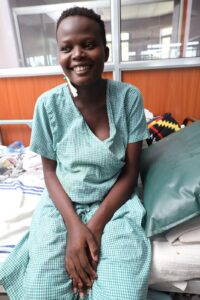
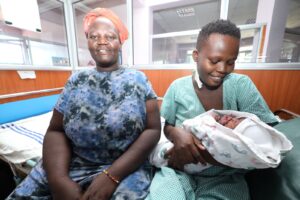
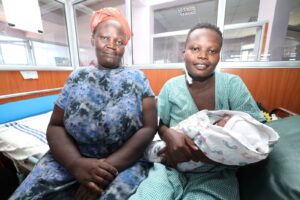
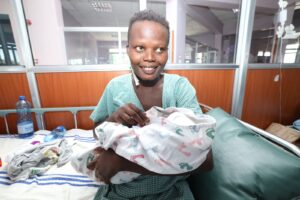
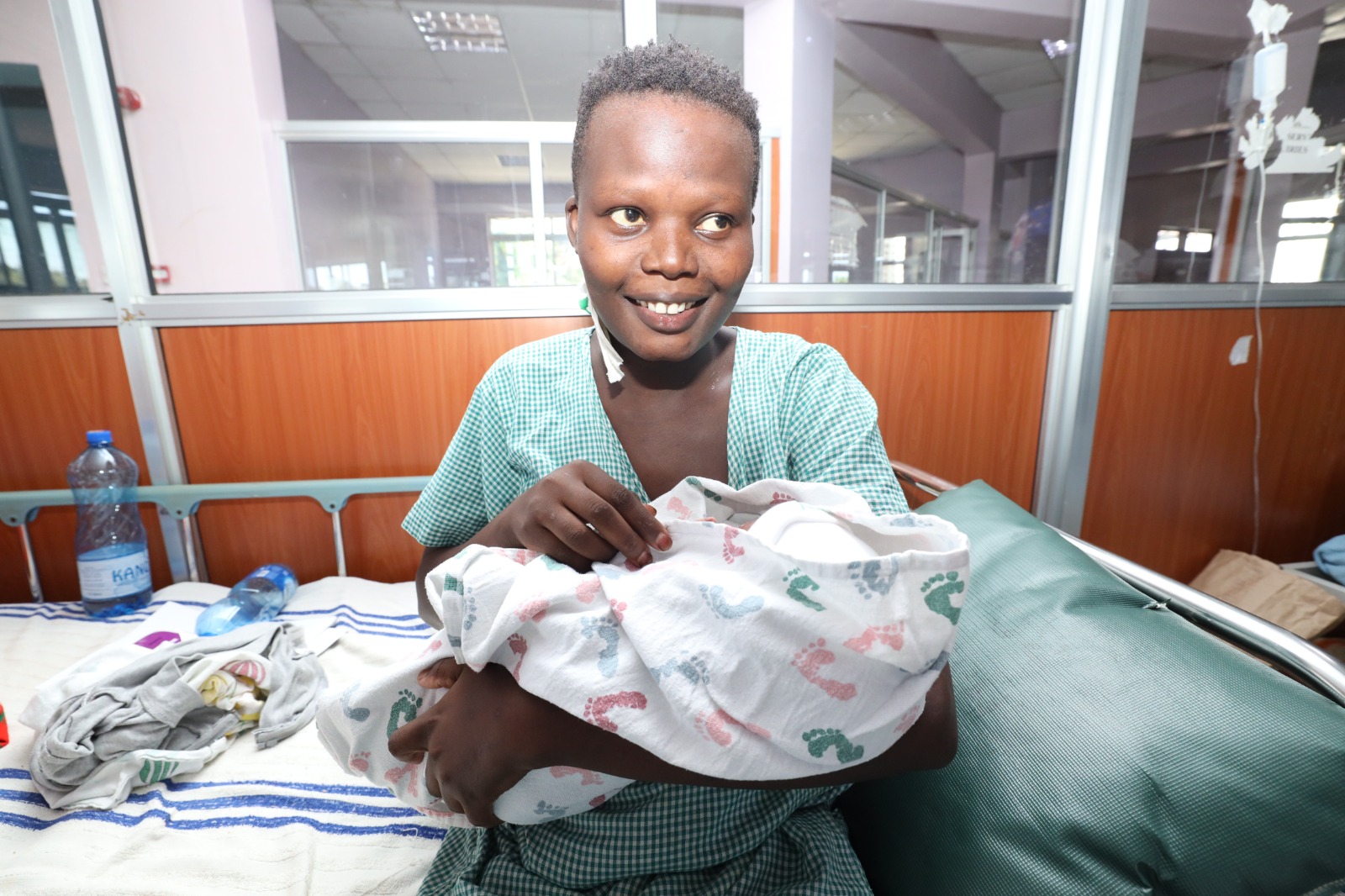
“They told her she wouldn’t survive pregnancy. Others insisted her baby would never be born alive.” Today, 22-year-old Sylvia Otieno Atieno from Siaya County proudly cradles her healthy newborn, proving that sickle cell disease does not have to stand in the way of motherhood when met with courage, specialized care and timely medical intervention.
For Sylvia, becoming a mother meant confronting not only the medical challenges associated with sickle cell disease but also the deeply rooted myths surrounding the condition. Soon after learning she was pregnant, friends, neighbours and even acquaintances began discouraging her from continuing with the pregnancy. Many believed that carrying a baby to term while living with sickle cell disease was impossible. Others warned that either she or her baby would not survive.
“The words hurt,” Sylvia recalls. “People kept telling me to terminate the pregnancy because they believed I would die. But I chose to believe that my baby deserved a chance.”
Despite the fear and uncertainty, Sylvia remained determined. She attended her antenatal appointments and carefully followed medical advice, hopeful that she would one day hold her child in her arms.
Her greatest challenge came at 36 weeks when her water broke prematurely in the middle of the night. She was rushed to a nearby health facility, where healthcare providers quickly realised her pregnancy required specialised management beyond the facility’s capacity. Before referring her to Jaramogi Oginga Odinga Teaching and Referral Hospital (JOOTRH), however, she received words that almost shattered her hope.
“They told me that only one of us would survive—that it would either be me or my baby,” she says.
By the time Sylvia arrived at JOOTRH, both mother and baby required urgent medical attention. Assessment by the specialist team revealed fetal distress after prolonged labour, with the baby having passed meconium while still in the womb, placing the infant at risk of serious complications if delivery was delayed further.
Without hesitation, a multidisciplinary team comprising obstetricians, anaesthetists, paediatricians, nurses and midwives coordinated emergency care. While carefully managing the risks associated with Sylvia’s sickle cell disease, they worked swiftly to deliver the baby safely and provide immediate newborn care.
Their timely intervention saved two lives.
“When I woke up and saw my baby beside me, I couldn’t believe it,” Sylvia says, smiling. “After everything people had told me, we were both alive and healthy. That was the happiest moment of my life.”
Sickle cell disease is an inherited blood disorder that makes pregnancy high risk, increasing the likelihood of complications such as severe anaemia, pain crises, infections, premature labour and poor fetal growth. However, specialists emphasize that these risks can be successfully managed through early antenatal care, close monitoring and delivery in a facility equipped to provide comprehensive obstetric and newborn services.
For Sylvia, her successful delivery represents more than the birth of her first child. It is a victory over stigma, fear and misinformation that continue to discourage many women living with sickle cell disease from pursuing motherhood.
She credits the healthcare workers at JOOTRH for restoring her confidence during one of the most difficult moments of her life.
“They treated me with kindness and gave me hope when I had almost lost it. They never made me feel like my condition meant I couldn’t become a mother. They saved both my baby and me, and for that I will always be grateful.”
As she prepares to return home with her newborn, Sylvia hopes her story will inspire other women living with sickle cell disease to seek specialised medical care and refuse to be defined by myths.
“I want other women to know that sickle cell disease is not the end of your dream of becoming a mother,” she says. “Don’t let fear or what people say stop you. Seek medical care early, attend your clinic appointments and trust the doctors. With the right care, it is possible.”
Sylvia’s journey stands as a powerful reminder that while sickle cell disease presents unique challenges during pregnancy, it does not make safe motherhood impossible. With timely referral, specialised multidisciplinary care and unwavering determination, she overcame the odds and returned home with the greatest reward she could have hoped for—a healthy baby in her arms and a story that is changing perceptions, one family at a time.