Story by Philister Adhiambo and Mercy Chloe and Photos by Caroline Nyongesa
For many patients living with chronic kidney disease, treatment begins long before they are connected to a dialysis machine. It starts on the plate.
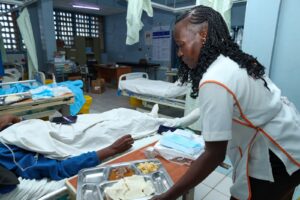
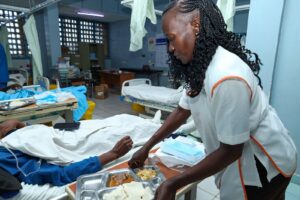
Inside the Renal Unit at Jaramogi Oginga Odinga Teaching and Referral Hospital (JOOTRH), food is not merely a source of nourishment; it is part of the treatment plan. Every meal, every snack, and even every sip of fluid can significantly influence a patient’s health, recovery, and quality of life.
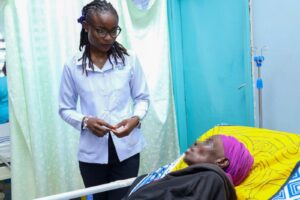
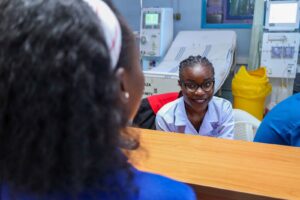
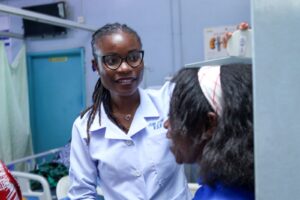
For 27-year-old nutritionist Velma Stephie Amondi, helping patients understand this connection has become her life’s passion.
Every day, she counsels patients battling kidney disease, guiding them through one of the most challenging aspects of treatment: changing eating habits that have been part of their lives for decades.
“Many patients arrive frightened because they believe kidney disease means they can no longer enjoy food,” says Velma. “Our role is to show them that food can still be enjoyable while protecting their kidneys.”
The kidneys play a vital role in filtering waste, balancing minerals, and regulating fluids in the body. When they become damaged, substances such as potassium, phosphorus, sodium, and excess fluids can accumulate to dangerous levels. This makes nutrition management a critical component of treatment.
Patients with kidney disease are often advised to limit foods high in salt, excessive processed foods, sugary drinks, and certain fruits and vegetables with high potassium levels. They must also carefully monitor fluid intake to prevent complications such as swelling, high blood pressure, and breathing difficulties.
However, nutrition therapy at JOOTRH goes beyond simply telling patients what not to eat.
Instead, Velma and her colleagues focus on helping patients understand what they can eat and how to prepare local foods safely. Techniques such as soaking and double-boiling vegetables help reduce potassium levels while preserving important nutrients.
“We don’t believe in taking away everything a patient loves,” she explains. “We work together to find safer ways of preparing foods and develop meal plans that fit their lifestyle.”
The personalized approach has transformed how many patients view their diagnosis. Rather than seeing food restrictions as punishment, they begin to understand diet as a powerful tool for managing their condition.
Nutrition counselling also extends to caregivers and family members who often prepare meals at home. Through regular education sessions, they learn portion control, food selection, meal preparation techniques, and the importance of adhering to prescribed dietary plans.
As cases of kidney disease continue to rise, healthcare professionals are increasingly emphasizing prevention. According to Velma, maintaining a healthy weight, staying physically active, drinking adequate water, controlling blood pressure and diabetes, and avoiding the misuse of medications can significantly reduce the risk of kidney damage.
She also encourages the public to seek regular medical check-ups.
“Many kidney diseases develop silently,” she says. “People may not notice symptoms until significant damage has already occurred. Early screening can save lives.”
At JOOTRH, the growing demand for renal services reflects a broader public health challenge. More patients are seeking specialized kidney care than ever before, highlighting the need for greater awareness about prevention and early intervention.
For Velma, the most rewarding moments come when patients regain their health and confidence.
She recalls a patient who arrived with acute kidney injury, uncertain whether he would ever recover. Months later, he returned to the unit walking confidently and expressing gratitude to the healthcare team that supported him through treatment.
Moments like these reinforce a simple but powerful truth: medicine is not always found in a bottle or an injection. Sometimes, it begins with the choices made at the dining table.
In the fight against kidney disease, food remains one of the most powerful medicines available—helping patients not only survive, but live healthier and more fulfilling lives.