Story by Esther Adhiambo and Lynne Ayuma and Photos by Ian Obadha
As the world observes Men’s Mental Health Awareness Month, healthcare professionals are calling for greater attention to the emotional and psychological challenges facing men. At Jaramogi Oginga Odinga Teaching and Referral Hospital (JOOTRH), mental health specialists are working to dismantle the stigma surrounding men’s mental health by providing comprehensive support services that encourage healing, resilience, and recovery.
According to psychologist Brenda Obita, societal expectations often discourage men from expressing vulnerability, causing many to internalize their struggles rather than seek help. As a result, emotional distress may go unnoticed until it manifests through depression, anxiety, substance abuse, social withdrawal, poor productivity, or strained family relationships.
“Most men suffer in silence because they fear being judged as weak or less masculine. Unfortunately, this often leads to unresolved mental health issues that affect every aspect of their lives,” says Obita.
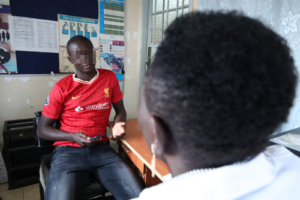
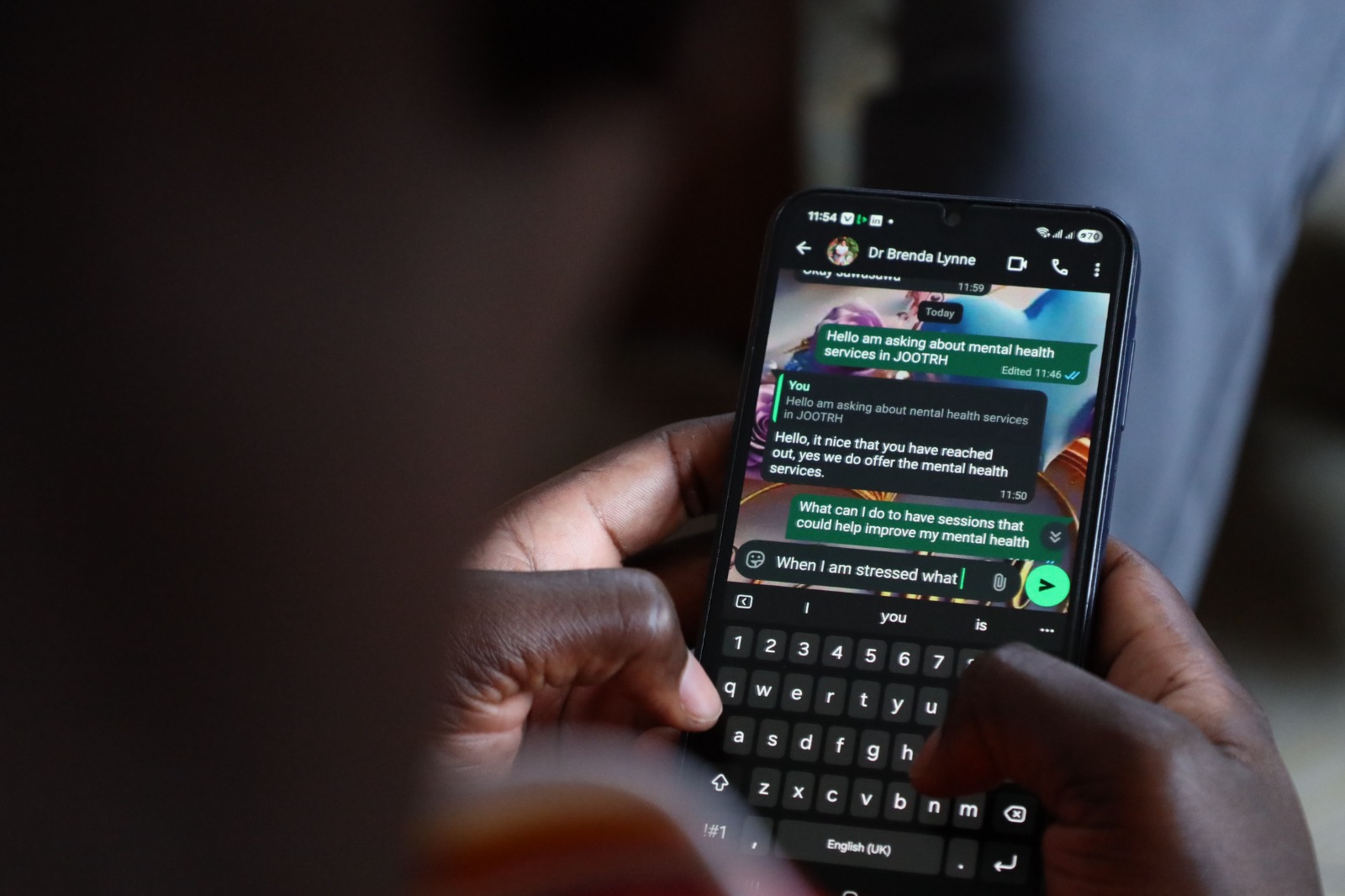
To address these challenges, JOOTRH offers a wide range of mental health services tailored to the unique needs of men and boys. These include individual psychotherapy, family counselling, group therapy sessions, couple counselling, telephone counselling, and online mental health support. The hospital also provides continuous follow-up care, recognizing that recovery is a gradual process that requires patience and consistent support.
Obita notes that emotional distress can present itself in various ways, including changes in sleeping and eating habits, withdrawal from social interactions, loss of motivation, increased alcohol and substance use, poor concentration, and declining performance at school, work, or home. Early identification of these signs is critical in ensuring timely intervention.
Obita emphasizes that seeking help should never be viewed as a sign of weakness. “Men are leaders, providers and protectors, but they can only perform at their fullest potential when they are mentally well. Opening up is the first step toward healing.”
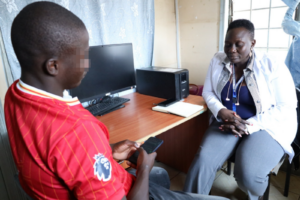
Among those who have benefited from the hospital’s services is 17-year-old Stanley Odhiambo, whose experience highlights the positive impact of professional mental health support. After struggling with emotional distress linked to poor decisions and peer influence, Stanley sought help at JOOTRH and found a safe space to reflect, learn, and rebuild.
Reflecting on his recovery journey, he credits the counselling services for helping him gain a better understanding of himself and make healthier choices. “The support I received helped me know the real me and not the other me. It showed me the difference between the good path and the bad path,” he says.
Beyond treatment, JOOTRH continues to conduct awareness and sensitization efforts aimed at encouraging men to seek support early and speak openly about their mental health challenges. The hospital’s specialists stress that families, friends, and communities also play a crucial role in supporting men by listening without judgment and encouraging professional intervention when needed.
As Men’s Mental Health Awareness Month continues, JOOTRH is reinforcing a powerful message: mental health matters, and no man should have to face emotional struggles alone. Through accessible counselling services, professional care, and ongoing community engagement, the hospital is helping create a future where men feel empowered to seek help, share their experiences, and prioritize their well-being. JOOTRH also has a toll-free line 0800724247 or contact 0759697105 that works for 24 hours.
“Be open. If you are affected in any way, express yourself. Don’t keep everything inside,” Stanley advises fellow young men.