Story by Dinah Akinyi and Esther Adhiambo and Photos by Ondari Ogega
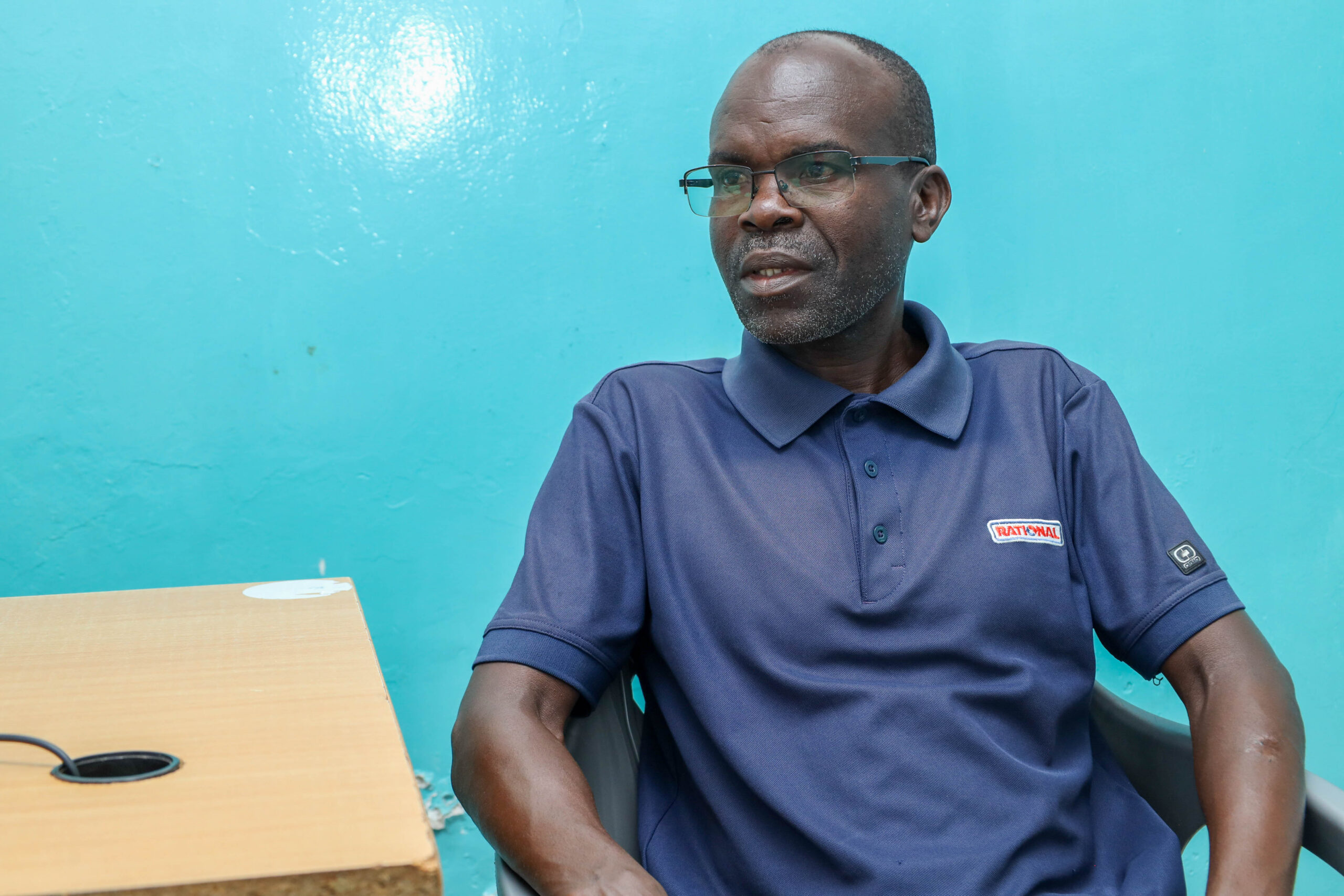
The relentless thirst never seemed to end. No matter how much water he drank, Mr. Jackton Agik felt constantly dehydrated. As weeks turned into months, he watched his weight drop dramatically, his energy disappear, and his eyesight deteriorate. Everyday tasks became increasingly difficult, yet he could not understand what was happening to his body.
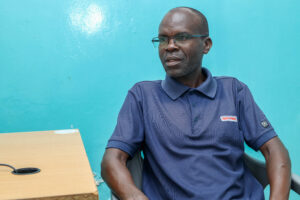
For a 54-year-old teacher from Kombewa, the symptoms crept in gradually before eventually disrupting both his health and career. What began as persistent thirst and frequent urination progressed to fatigue, unexplained weight loss, and blurred vision. Concerned by the worsening condition, he sought medical attention, where tests confirmed he had Type 2 diabetes.
“I was always thirsty and drank a lot of water, but it felt like the water was not helping my body. I would simply urinate it out,” recalls Mr. Agik
Despite drinking large amounts of water, he continued to experience weakness and episodes of low blood pressure. His appetite became unpredictable, often leaving him hungry shortly after meals. As the symptoms intensified, his weight dropped from 57 kilograms to 45 kilograms, leaving him physically exhausted and unable to carry out routine activities with ease.
“I had no energy. Managing even simple activities became a challenge,” he says.
The condition also began affecting his eyesight. Reading, watching television, and even using his glasses became increasingly difficult due to persistent blurred vision, further interfering with both his work and daily life.
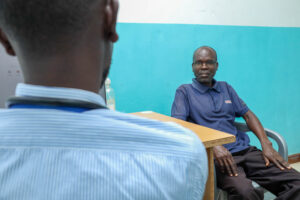
Receiving the diagnosis brought answers, but it also marked the beginning of a new reality. He was enrolled in care at the Jaramogi Oginga Odinga Teaching and Referral Hospital (JOOTRH),Prime Care Centre, where he continues to receive regular follow-up, monitoring, and support for diabetes management. At the hospital, he was started on insulin therapy. Like many newly diagnosed patients, he initially struggled with the fear and uncertainty that comes with self-injection.
“When you start using insulin, you feel anxious because you don’t know what is going to happen next. But after doing it several times, you get used to it,” he explains.
Managing diabetes came with additional challenges. Storing insulin without a reliable refrigerator required Mr. Agik to rely on an icebox and nearby cold-storage facilities. The cost of treatment, coupled with the need to maintain a recommended diabetic diet, also placed a significant financial burden on him. However, the support of family and friends helped him remain resilient throughout his journey.
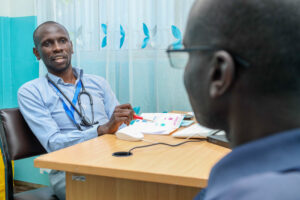
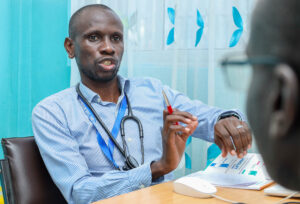
According to Dr. Moses Opondo, a physician involved in diabetes care at JOOTRH, Mr. Agik’s experience reflects the challenges many patients face after diagnosis. He explains that timely treatment is critical, particularly when blood sugar levels become dangerously high, and notes that diabetes management often requires sustained financial investment through either out-of-pocket payments or medical insurance to ensure uninterrupted access to care.
Dr. Opondo further highlights the growing role of technology in improving diabetes outcomes. Advanced tools such as Continuous Glucose Monitoring (CGM) devices and automated insulin delivery systems are transforming care by providing real-time glucose readings and more precise treatment. These innovations help detect dangerous fluctuations in blood sugar levels, reduce the need for frequent finger-prick tests, and lower the risk of diabetes-related emergencies.
His story is a reminder of the importance of recognizing early warning signs and seeking medical attention before complications arise.
He encourages others not to ignore unusual changes in their bodies, emphasizing the importance of regular medical check-ups, adhering to treatment plans, and maintaining a healthy lifestyle.
As the global burden of diabetes continues to rise, Mr. Agik’s experience highlights the critical role of awareness, early detection, affordable treatment, and strong support systems in helping patients manage the condition and lead productive lives. While the journey has not been easy, he continues to face each day with renewed hope, determination, and gratitude for the care that helped him regain control of his life.