Story by Sherine Atieno and Photos by Ondari Ogega and Ian Obadha
Since the start of red cell apheresis at Victoria Annex Hospital in September last year, the number of children and adult sickle cell patients seeking care at the clinic has steadily increased.
From just 30 patients, the clinic now attends to 60 individuals every week, and the numbers continue to grow as awareness of the life-saving procedure spreads.
Speaking during the launch, Dr. Brenda Misore, in-charge of Sickle Cell Hematology and pediatric hemato-oncologist, highlighted the significance of the service. “At Victoria Annex, we see both adults and children. The most common condition we manage is sickle cell disease, which is highly prevalent in our region. Many complications start in childhood, and the aim of red cell exchange transfusion is to prevent these complications so children can grow into adulthood.”
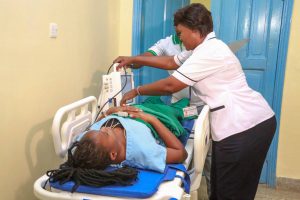
She explained that one of the most serious complications among sickle cell patients is stroke. “Early screening and timely transfusions prevent chronic complications. Manual transfusions carry risks, but automated exchange transfusions protect patients from iron overload and other complications,” Dr. Misore said.
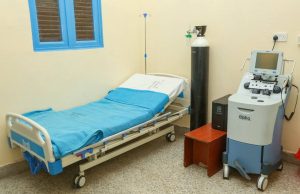
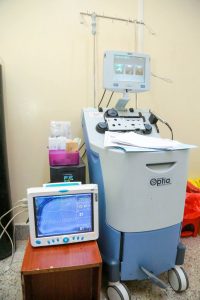
Since the first automated transfusions last year, attendance has doubled. “With a permanent machine now in place, we can provide multiple transfusions weekly and handle emergency cases promptly, preventing complications like stroke, priapism, and severe acute chest syndrome,” she added. Patients also continue on hydroxyurea and preventive medications to protect against infections and malaria.
Dr. Ojuma, Director of Victoria Annex, emphasized early screening. “We can screen children from birth, and currently, about one in five newborns carries the sickle cell trait. Children identified early and followed closely show a dramatic drop in mortality — from 50–80% by age five to just 2.2% in our cohort.”
He urged surrounding counties to take advantage of the clinic’s resources. “We have the facilities, machines, and dedicated team to manage complications. Parents should come forward for screening and care to ensure timely, life-saving interventions.”
With the expansion of automated red cell exchange transfusions and early screening, Victoria Annex Hospital is setting a new standard for sickle cell care, offering hope to hundreds of children and adults living with the disease.