Story by Lorraine Anyango and Photos by Ondari Ogega
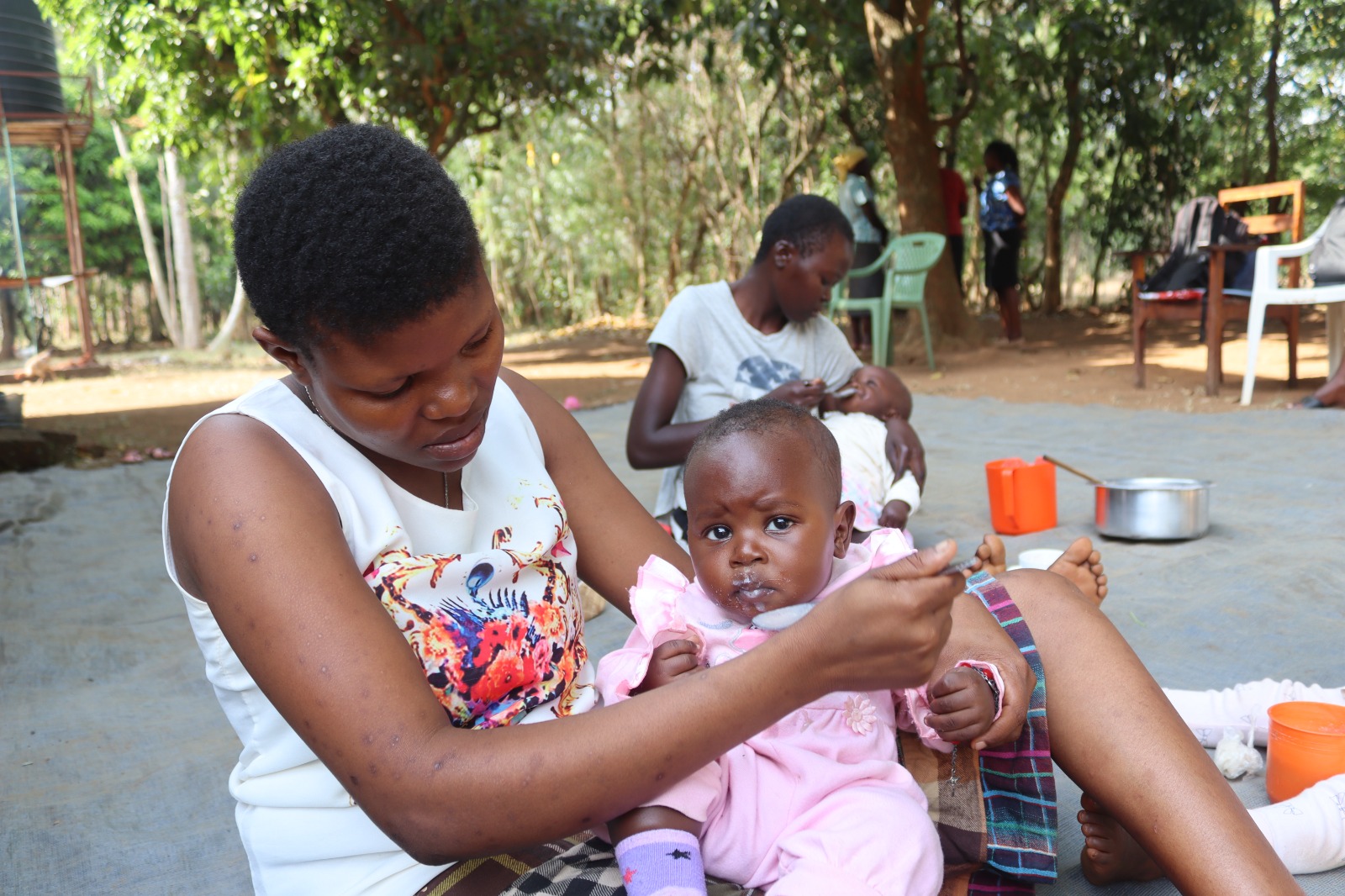
Malnutrition is a silent but primary driver of child mortality, contributing to an estimated 50% of all child deaths.
A New- research from the Child Health and Mortality Prevention Surveillance (CHAMPS) network has revealed a deepening health crisis where nutritional deficiencies are claiming the lives of the most vulnerable populations in Kenya and Ethiopia.
The findings, presented during a recent ARM-CHAMPS meeting, which also included a courtesy call to Jaramogi Oginga Odinga Teaching and Referral Hospital where CHAMPS has been working with an aim of reducing child mortality.
CHAMPS has been conducting minimally invasive post mortem to children who have died within the facility to establish the cause of death.
Data collected between 2017 and 2022 during the study shows that 40.9% of all preventable child deaths are directly linked to malnutrition. The crisis is particularly acute among infants aged 1 to 11 months, who represent the largest demographic of malnutrition-related fatalities. Scientists found that as the number of underlying health conditions (comorbidities) increases, the role of malnutrition becomes even more lethal; children with four or more comorbid conditions had a 62.6% likelihood of malnutrition being a contributing factor in their death.
The research highlights a “hidden hunger”—micronutrient deficiencies that are often invisible but fatal. Post-mortem assessments of children under five in Kenya and South Africa revealed staggering levels of Vitamin A deficiency. In some samples, severe Vitamin A deficiency was present in 53.1% of cases, a condition that significantly weakens the immune system and increases the risk of death from common infections.
The struggle begins long before birth. In a study of 2,000 pregnant women across Kenya and Ethiopia, researchers found that anemia and iron deficiency rise dramatically as pregnancy progresses.
By the third trimester, iron deficiency affects nearly two-thirds of pregnant women in Kenya. While iodine levels were found to be adequate, other critical nutrients like folate and Vitamin B12 remain dangerously low in many expectant mothers, particularly in Ethiopia, where folate deficiency is substantially higher than in Kenya.
To combat these trends, health experts are utilizing the Global Diet Quality Score (GDQS) to track consumption of 16 healthy food groups, such as deep orange vegetables, legumes, and nuts, against “problem” foods like sugar-sweetened beverages and refined grains.
As the medical community moves toward 2025, the focus of the CHAMPS network remains clear: closing the gaps in how malnutrition is measured and ensuring that nutritional interventions are integrated into every stage of maternal and child healthcare to prevent these avoidable tragedies.