Story by Lorraine Anyango and photos by Ondari Ogega
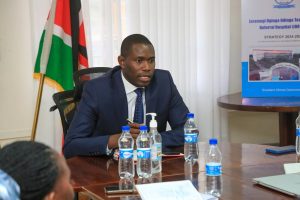
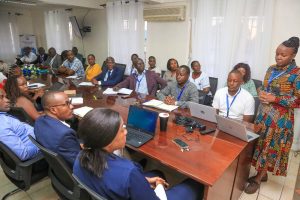
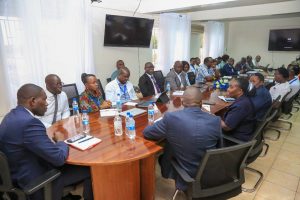
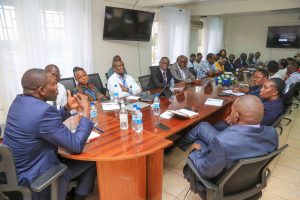
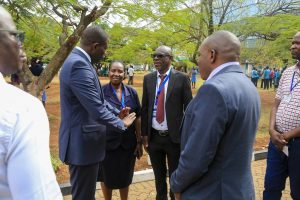
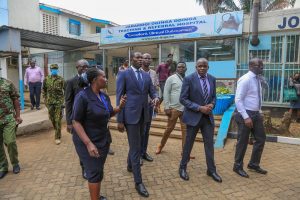
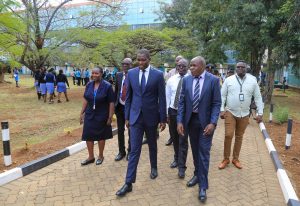
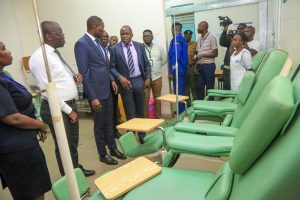
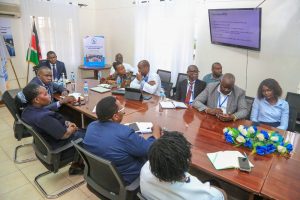
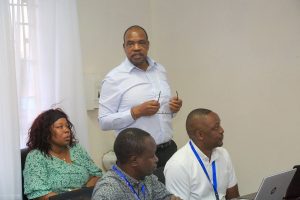
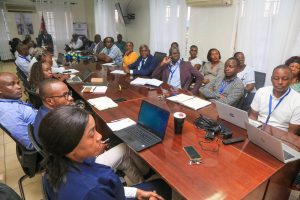
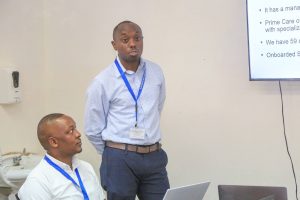
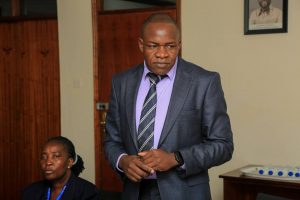
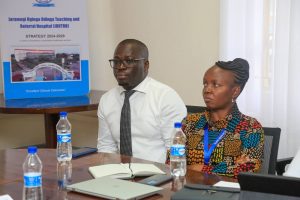
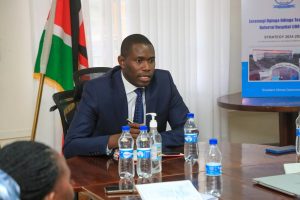
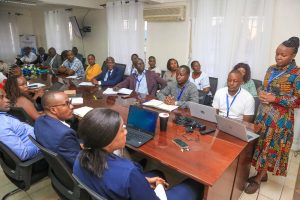
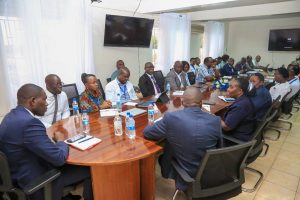
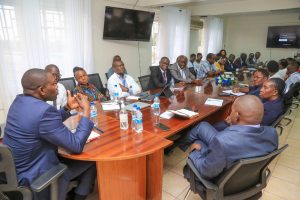
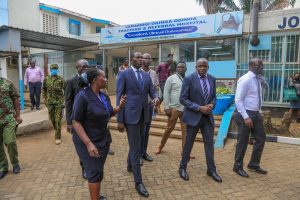
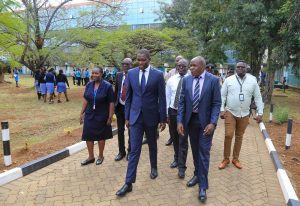
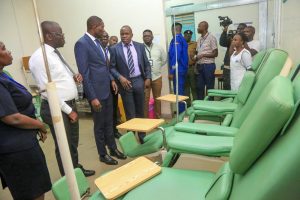
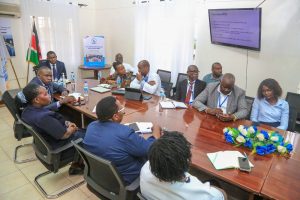
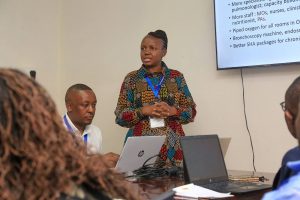
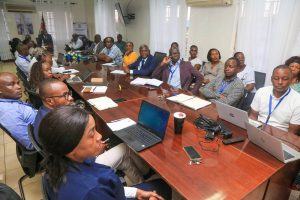
Jaramogi Oginga Odinga Teaching and Referral Hospital (JOOTRH) is now a level 6A, Category 5 parastatal, a status previously reserved for public universities. This new classification, announced by Principal Secretary Dr. Ouma Oluga during a today’s visit, comes with both great privileges and immense responsibilities.
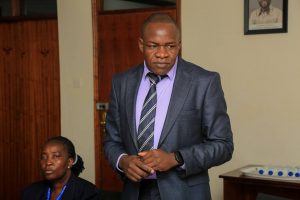
Dr. Oluga’s address underscored a fundamental shift in mindset. “You are no longer a county government hospital,” he stated, urging the management to embrace this new reality. The PS noted that while the transition from a county to a national institution is still in progress on paper, the practical reality of this change must now be felt on the ground. This elevation is designed to attract and retain a skilled health workforce, which Dr. Oluga identified as a primary driver of effective clinical outcomes.
The PS highlighted that the hospital’s elevation is not just about prestige; it’s a strategic move to secure its financial future. Dr. Oluga revealed that the National Treasury has indicated that national referral hospitals will no longer receive tax-based funding within the next five years. This means hospitals like JOOTRH must become financially self-sustainable.
“Revenue is a key pillar in our hospital reform,” he said. The hospital will need to explore innovative revenue streams, including:
Clinical Research:
Dr. Oluga urged the hospital to move beyond being a passive participant in externally-driven research and to proactively generate its own research initiatives. He emphasized that research should not only improve clinical outcomes but also serve as a significant revenue generator.
The PS encouraged the hospital to shift from being a recipient of external aid to a proactive entity in securing programmatic funding. By embedding grant-writing within its activities, the hospital can absorb funds traditionally given to non-governmental organizations and other entities.
Dr. Oluga lamented the low quality of traditional training, with only 36% of patients in the country receiving correct diagnoses and interventions. He proposed the establishment of a state-of-the-art simulation center at JOOTRH, which would serve as a revenue-generating training hub while also improving the skills of healthcare workers across the region.
Beyond finances, Dr. Oluga stressed the need for a “people-first strategy.” This means prioritizing the well-being of the health workforce, patients, and the wider community. He called for a review of the hospital’s current strategy to align with new objectives, including:
Enhanced Clinical Governance:
The PS called for a focus on patient safety, improving patient experience, and ensuring clinical effectiveness. He challenged the team to think beyond business processes and equipment acquisition, emphasizing that the ultimate goal is to restore the health of the community, not merely to provide services. He gave a stark example of a recent accident where the hospital handled the immediate casualties but lost track of the long-term outcomes for those patients. “We have to follow up. What happens to them after?” he questioned.
Public Health Impact:
Dr. Oluga stressed that a hospital should not just be a place for treating illness but also a hub for preventing it. He urged the management to develop a deliberate public health strategy that involves community engagement and partnerships to address the root causes of diseases. Citing the high burden of preventable diseases in the region, he warned that without this focus, the hospital would be overwhelmed.
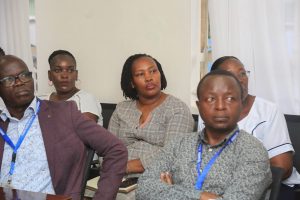
Dr. Oluga concluded by calling on the hospital’s specialists and consultants to embrace their role in building capacity and imparting knowledge to junior staff. He announced that a new board, carefully selected for its value-add, will be in place by the end of the month to help steer the hospital’s strategic direction. “This facility is expected to change the story of health in this region,” he said, setting a high bar for the future of JOOTRH.