Story by Dinah Akinyi and Esther Adhiambo and Photos by Ian Obadha
At 70, Shadrack Ouma Odeye reflects on a health journey that reshaped his understanding of illness, recovery, and resilience. A longtime resident of Kisumu since the 1970s, he was diagnosed with prostate cancer in 2019 after months of unexplained pain and progressive physical decline that left him unable to walk and dependent on a wheelchair.
His symptoms began subtly with persistent pain in the lower body, which gradually intensified and spread to his bones and joints. What started as discomfort quickly escalated into severe pain that disrupted sleep, limited movement, and made routine activities impossible. Within a short period, he lost mobility completely and became confined to bed, relying on others for basic care.
For nearly three months, he moved between healthcare facilities as doctors attempted to determine the cause of his condition. Despite several investigations, no clear diagnosis was initially made, prolonging his suffering. As his condition worsened, a biopsy was eventually conducted, and after further laboratory analysis, the results confirmed prostate cancer.
The diagnosis brought fear and uncertainty, especially due to the late stage at which it was identified. He was referred to Jaramogi Oginga Odinga Teaching and Referral Hospital (JOOTRH) for specialized oncology care. By the time he arrived, he was in a weakened state, in constant pain, and fully reliant on a wheelchair for mobility.
At JOOTRH, he underwent a series of scans, laboratory tests, and clinical assessments before beginning treatment. His care plan involved medication, close monitoring, and regular follow-up visits. The early stages of treatment were particularly challenging, as some prescribed drugs were not readily available at the hospital, requiring him to purchase them externally. This placed a financial burden on him, which was eased through support from well-wishers, hospital social workers, and members of his community.
Despite these challenges, he remained consistent with treatment and follow-up appointments. Gradually, his condition began to improve. One of the most significant moments in his recovery came when he started regaining strength in his legs after weeks of immobility. He slowly progressed from limited movement to standing, and eventually walking again. His return to clinic while walking, after previously arriving in a wheelchair, marked a major turning point in his recovery journey.
Healthcare workers at JOOTRH recall his progress as a positive response to treatment, supported by coordinated care from the oncology team, palliative care unit, and social services. Regular monitoring, medication adjustments, and psychosocial support played a key role in stabilizing his condition during treatment.
Beyond the physical illness, Shadrack also faced emotional and social challenges. Some family members withdrew support after his diagnosis, leaving him to rely more heavily on hospital staff and his community network. Despite this, he remained committed to his treatment plan and followed medical advice closely.
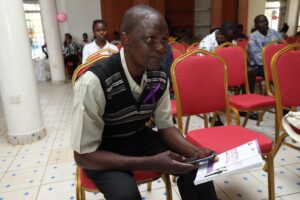
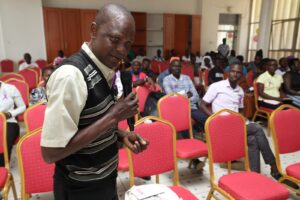
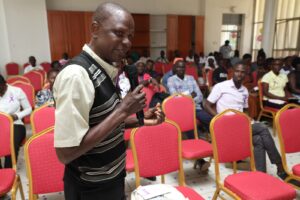
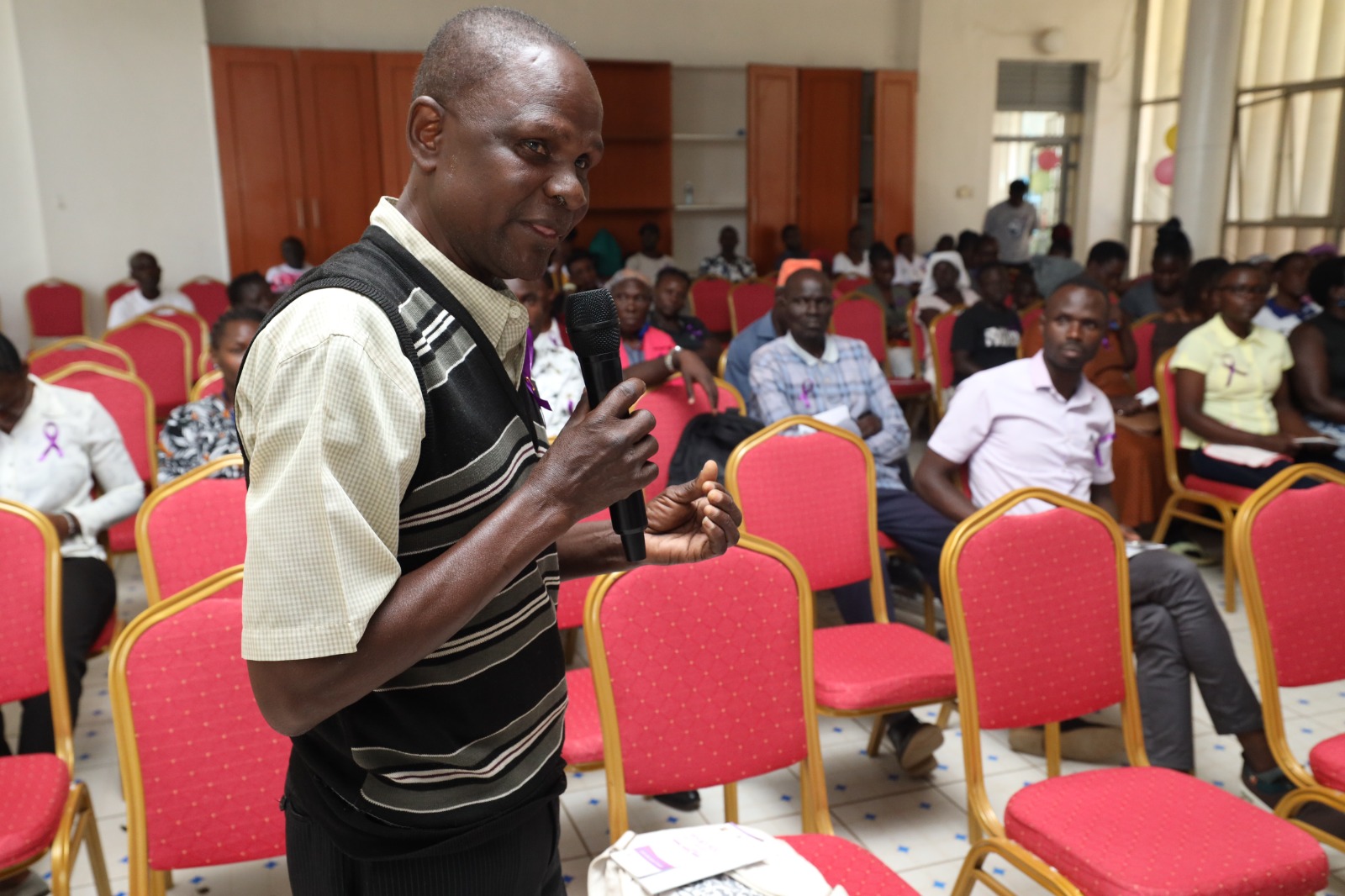
Today, his health has improved significantly, and he continues with follow-up care while living independently. His experience has made him an advocate for early screening, particularly for prostate cancer, which he notes often progresses silently until advanced stages.
He also emphasizes the importance of support systems for patients, noting that recovery is influenced not only by medical treatment but also by emotional, financial, and social support. In his view, timely diagnosis and consistent care can significantly improve outcomes for cancer patients.
His journey highlights the value of specialized oncology services and coordinated healthcare in managing complex illnesses. For Shadrack, survival represents a combination of early intervention, sustained treatment, and the resilience to continue despite difficult circumstances.