Story by Jane Ondata, Nobel Faith and Photos by Esther Adhiambo
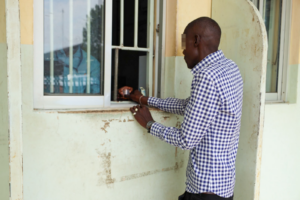
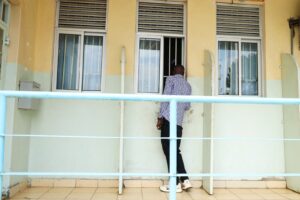
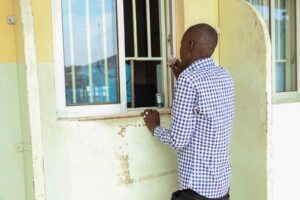
When 40-year-old Milton Miera (not his real name) walks into the Medically Assisted Therapy (MAT) Clinic at Jaramogi Oginga Odinga Teaching and Referral Hospital (JOOTRH), it is difficult to imagine that opioid addiction once consumed his life, leaving him in deteriorating health and separated from his family for years.
“I couldn’t stay at home. I couldn’t be with my family,” he recalls. “Drugs had completely isolated me.”
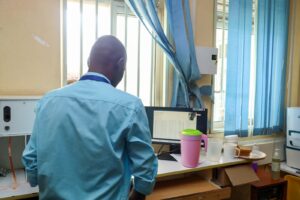
Today, Milton is among hundreds of people whose lives have been transformed through the JOOTRH MAT Clinic, a specialised programme established in 2017 to respond to the growing burden of opioid addiction and reduce HIV transmission and other health risks associated with injecting drug use. As the only comprehensive MAT clinic serving Western Kenya, it has become a vital referral centre for patients from Kisumu and neighbouring counties seeking evidence-based treatment for opioid use disorder.
The need for such services remains significant. According to the National Authority for the Campaign Against Alcohol and Drug Abuse (NACADA), an estimated 4.7 million Kenyans aged between 15 and 65 years use at least one drug or substance, while Kisumu County records a prevalence of 12.6 per cent. Opioids—including heroin and the misuse of prescription medicines such as tramadol, morphine, codeine and fentanyl—continue to contribute to addiction, poor health, family breakdown and conflict with the law, particularly among young adults in their most productive years.
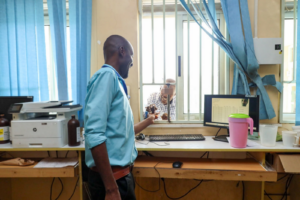
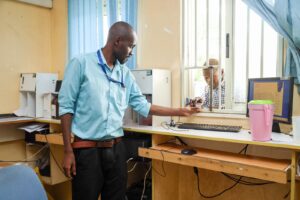
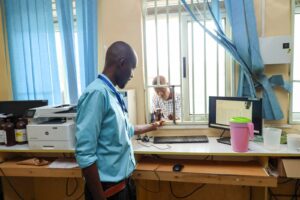
Since its establishment, the JOOTRH MAT Clinic has enrolled 391 patients, with 138 currently receiving treatment. Beyond providing medication, the clinic offers an integrated package of care that includes counselling, psychosocial support, adherence monitoring, health education and linkage to other medical services, ensuring patients receive holistic support throughout their recovery journey.
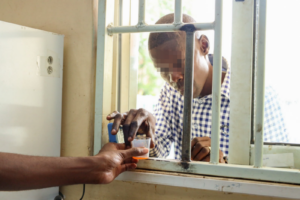
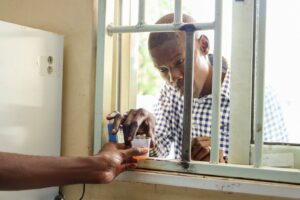
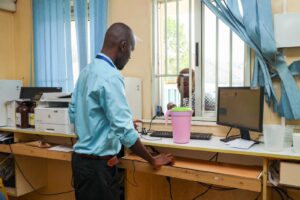
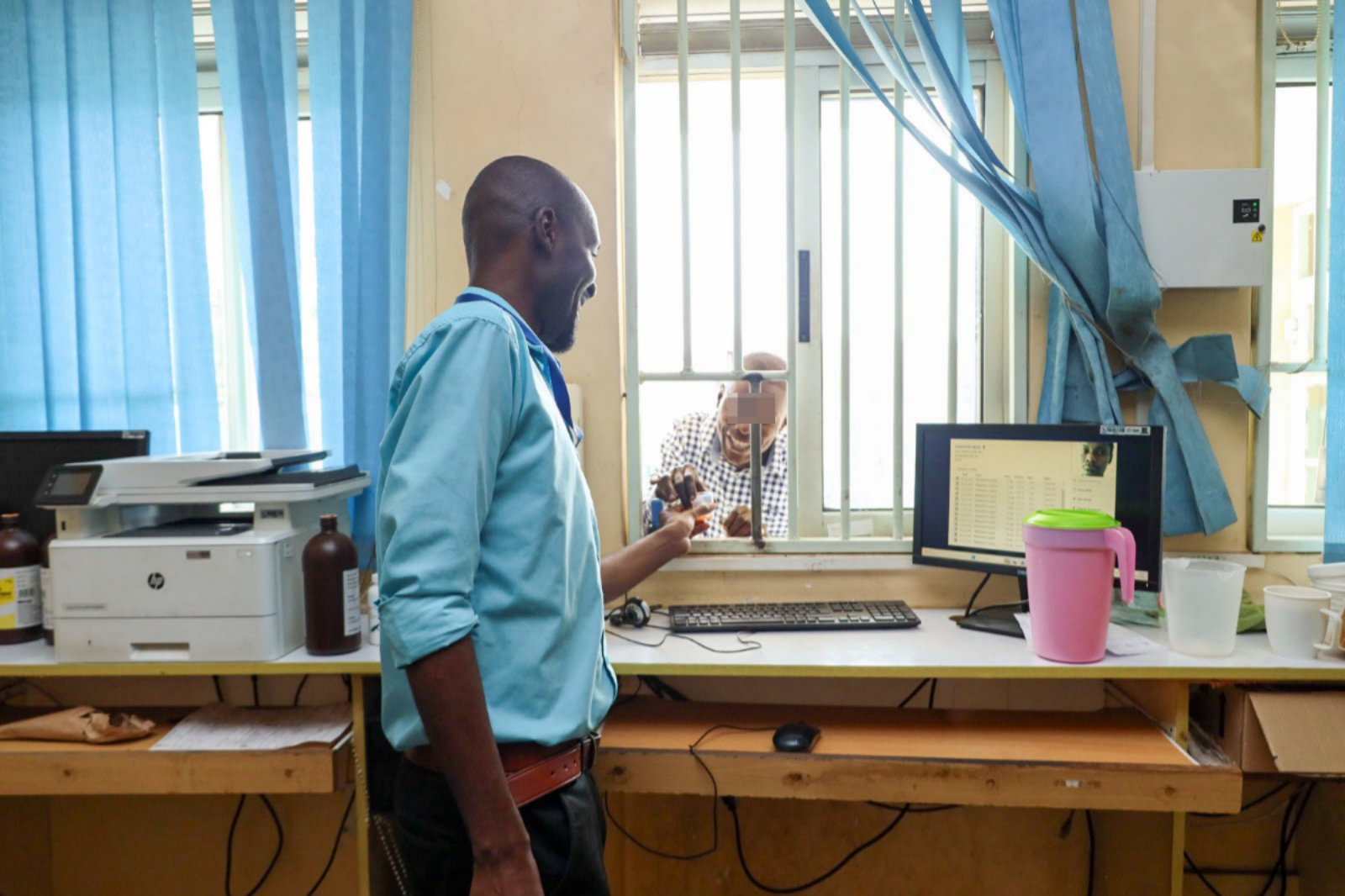
At the heart of the programme is methadone, a medication administered under medical supervision to suppress opioid cravings and withdrawal symptoms. Unlike illicit opioids, methadone does not produce the euphoric “high” associated with heroin, allowing patients to stabilise physically and psychologically while rebuilding their lives. Some patients also receive buprenorphine depending on their clinical needs. The clinic operates daily, including weekends and public holidays, to ensure continuity of treatment.
For Milton, seeking help marked the beginning of a new chapter. After travelling from Mombasa in search of treatment, he was first admitted for a severe chest illness that had developed alongside his addiction. Once his condition improved, he enrolled in the MAT programme. Within three months, the cravings that had dictated every decision he made had significantly reduced.
“That’s when I knew the treatment was working,” he says.
Nearly nine years later, Milton has restored his relationship with his family, rebuilt his health and become a peer educator at the clinic. Drawing from his own lived experience, he now encourages others living with opioid dependence to seek professional help before addiction causes irreversible harm.
His story demonstrates the broader impact of the JOOTRH MAT Clinic. Recovery extends beyond overcoming drug dependence; it restores dignity, strengthens families, improves health outcomes and enables individuals to reintegrate into society as productive members of their communities. It also contributes to reducing the spread of HIV and other infections associated with unsafe injecting practices.
For anyone struggling with opioid dependence—or caring for someone who is—the message is clear: addiction is a medical condition that can be treated. The JOOTRH MAT Clinic continues to provide comprehensive, confidential and compassionate care, proving that recovery is possible with the right support. Taking the first step to seek help today could be the beginning of a healthier, more stable future.