Story by Juliet Vyola and Lorraine Faith and Photos by Philister Adhiambo
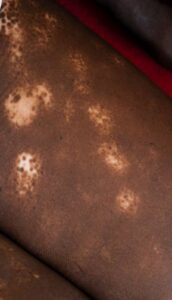
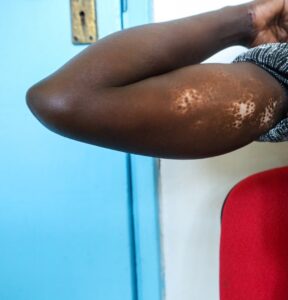
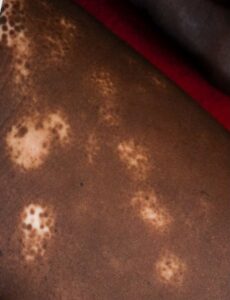
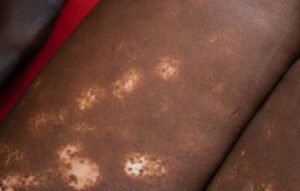
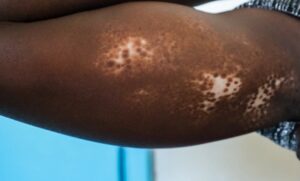
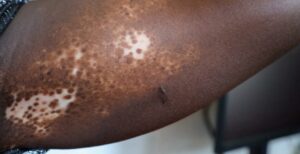
The first patch was small enough to ignore. It appeared quietly, a pale mark against Ms. Peres Ochola’s dark skin. At first, she convinced herself it was temporary.
Perhaps it would disappear with time. Perhaps it was nothing to worry about.
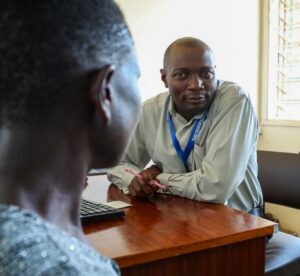
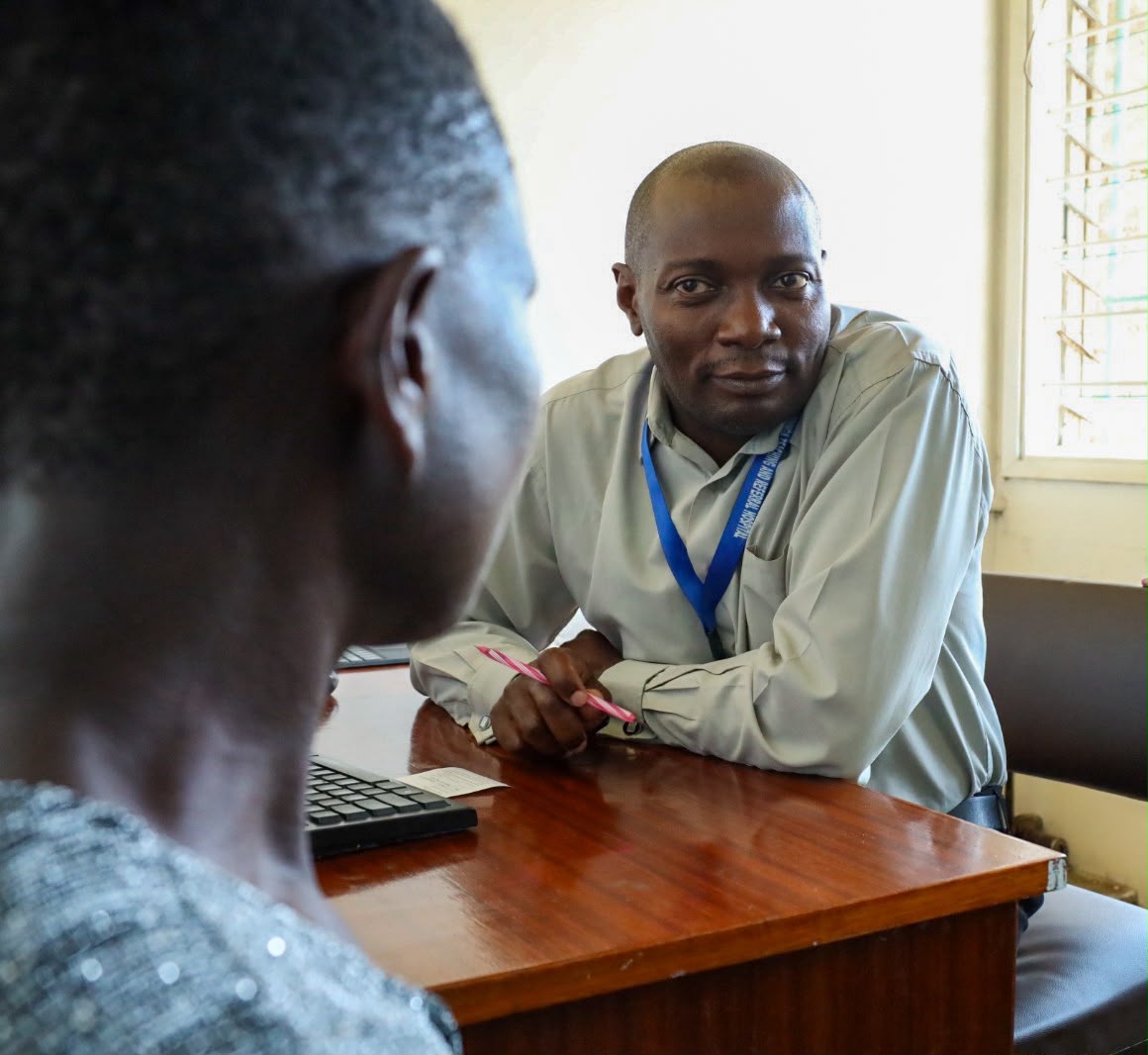
The patches slowly spread, leaving her with more questions than answers. As the changes became increasingly visible worry began to set in. A friend encouraged Ms Peres to seek medical attention at Jaramogi Oginga Odinga Teaching and Referral Hospital (JOOTRH) Dermatology Clinic.
Today on World Vitiligo Day, Ms Ochola is sharing her journey to help raise awareness about a condition that affects millions of people worldwide.
Vitiligo is a skin condition that causes patches of skin to lose their natural colour. It occurs when the cells responsible for producing melanin, the pigment that gives skin its colour, are destroyed or stop functioning, leaving white patches on different parts of the body. Despite common misconceptions, vitiligo is not a contagious, it is not caused by poor hygiene, it is not a curse but is a medical condition that can affect anyone.
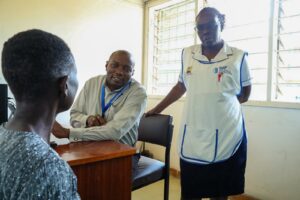
At JOOTRH, patients with vitiligo have access to specialized dermatological care, including medical assessment, treatment, counselling, and follow-up support. The Dermatology Clinic runs every Wednesday and Thursday, and individuals seeking care are encouraged to visit the facility for evaluation.
According to Dr. Caleb Kadima, a dermatologist, treatment outcomes vary from person to person. In some patients, the patches stop spreading. In others, pigment gradually returns. In more extensive cases where the skin has largely lost its colour, patients may choose treatment aimed at creating a more uniform skin tone. He notes that many patients respond well to treatment.
Ms. Ochola hopes that by sharing her story, others living with vitiligo will find the courage to seek medical help and embrace their journey with confidence.
Globally, vitiligo affects approximately one percent of the population, cutting across all ages, genders, and skin tones. While there is currently no cure, treatment options continue to improve, helping many patients restore pigment and manage the condition effectively.
Because vitiligo may change the colour of the skin, it should never determine the value, dignity, or potential of the person living with it. In the spirit of this year’s theme, “From Stigma to Strength,”
JOOTRH stands with individuals living with vitiligo by promoting awareness, challenging misconceptions, and providing specialized care. The Dermatology Clinic is here to walk the journey with you, offering support, treatment, and hope every step of the way.