Story by Lynne Ayuma and Esther Adhiambo and Photos by Ondari Ogega
In Kisumu County, where sickle cell disease (SCD) remains a major public health challenge, Jaramogi Oginga Odinga Teaching and Referral Hospital (JOOTRH) is improving patient outcomes through early screening, advanced apheresis treatment, and strengthened blood safety systems.
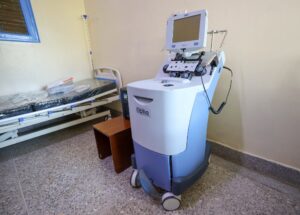
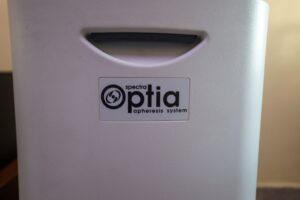
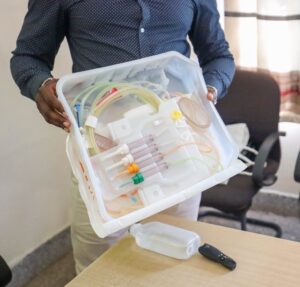
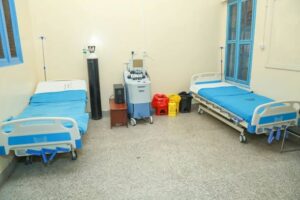
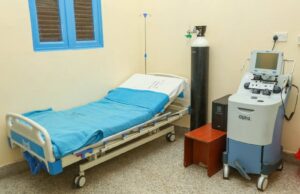
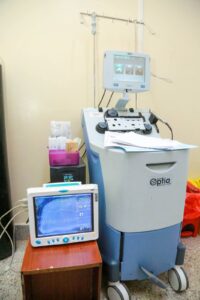
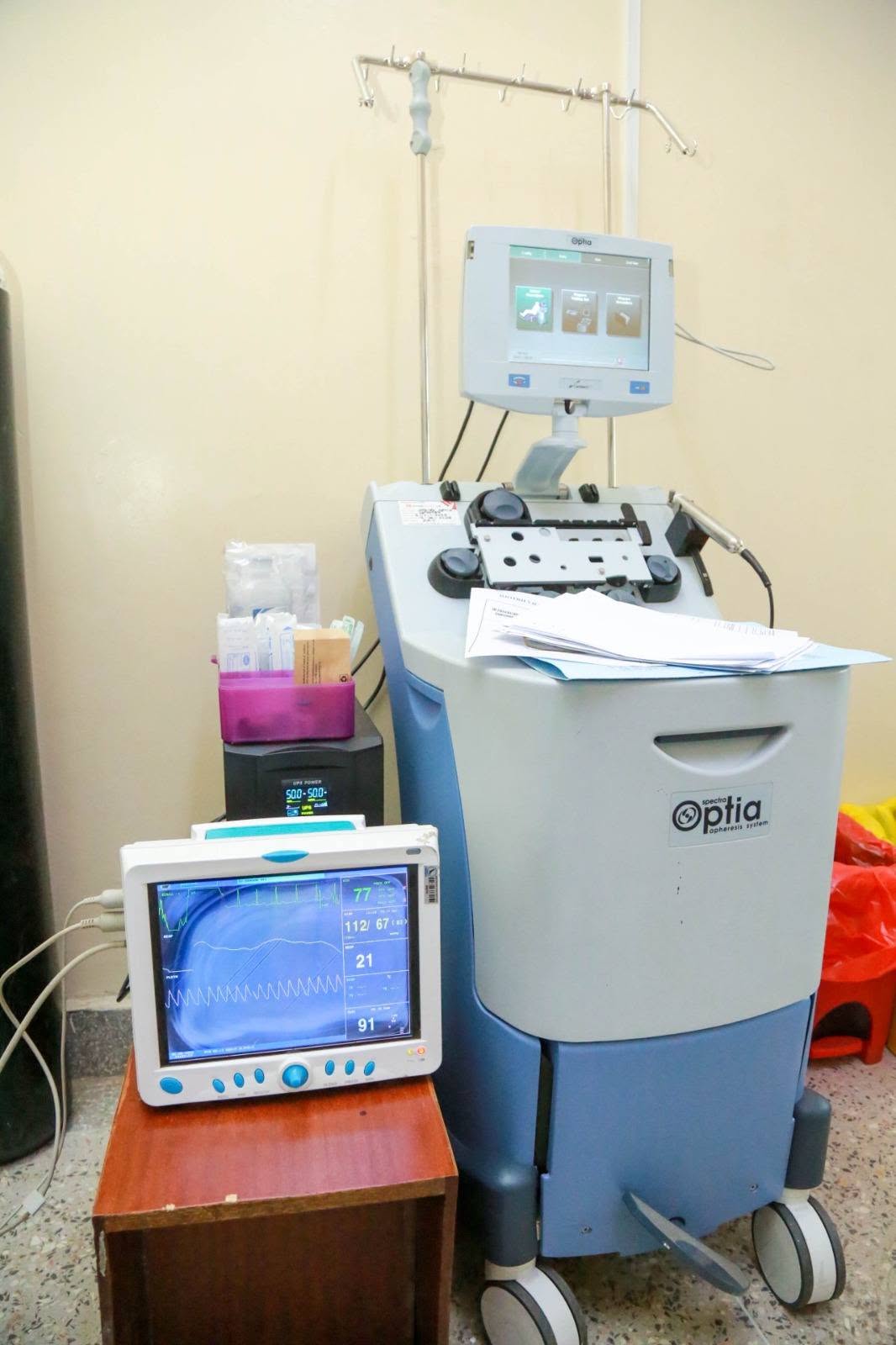
At the Victoria Hospital Annex, JOOTRH’s specialized centre for sickle cell disease and other blood disorders, the Spectra Optia Apheresis Machine is offering new hope to patients living with severe complications of the disease. Since its installation, 35 patients have successfully undergone apheresis, a procedure that removes sickled red blood cells and replaces them with healthy donor red blood cells.
According to Dr. Brenda Misore, a Paediatric Oncologist at JOOTRH, the treatment significantly reduces the proportion of sickled cells in the bloodstream, helping prevent life-threatening complications such as stroke, acute chest syndrome, severe anaemia, and recurrent pain crises.
“We have AA, AS and SS blood patterns. In sickle cell disease, the abnormal cells are unable to carry oxygen effectively. Through apheresis, we remove the sickled cells and replace them with concentrated healthy red blood cells, reducing the sickle cell percentage from as high as 80 percent to below 30 percent,” she explained.
For many patients, the intervention has translated into better disease control and improved quality of life. With proper treatment, medication adherence, hydration, and regular follow-up care, some patients can remain free from major crises for several years.
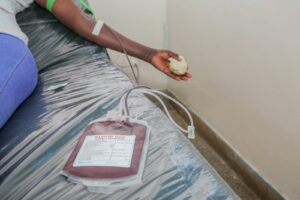
The success of apheresis, however, depends heavily on the availability of safe blood. Depending on a patient’s weight and clinical condition, a single apheresis procedure may require between six and ten units of blood, making voluntary blood donation a critical component of sickle cell care.
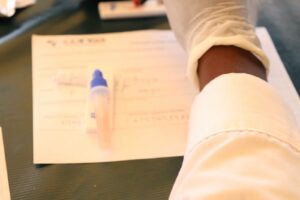
To guarantee patient safety, every donated unit undergoes rigorous screening before use. According to Kenneth Youth Onyango, a blood screening expert at JOOTRH, donated blood is tested for infections such as HIV, Hepatitis B, Hepatitis C, and syphilis, with any infected units immediately discarded.
He explained that blood grouping and compatibility testing are equally important, particularly for sickle cell patients who often require repeated transfusions. Donated blood is stored at temperatures between 3°C and 6°C and processed into its various components, with red blood cells being used in transfusion and exchange procedures.
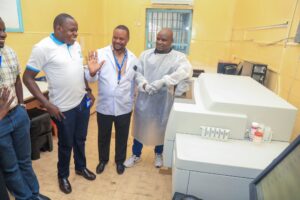
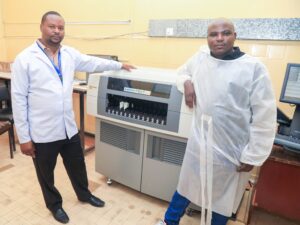
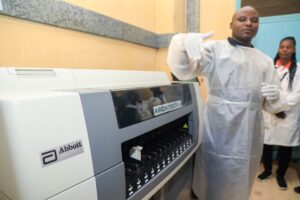
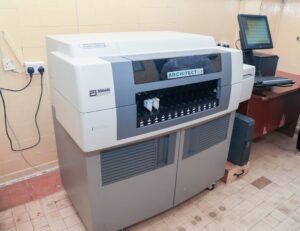
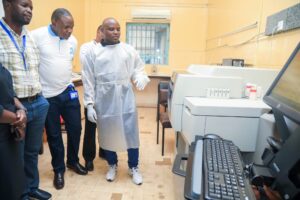
The hospital’s capacity to provide safe blood has been further strengthened by an automated blood screening analyzer introduced in March 2026. The technology has reduced screening turnaround times to between 20 and 35 minutes through advanced antigen-antibody detection, enabling faster access to safe blood for patients requiring urgent transfusions and apheresis procedures.
These interventions are especially important in a region heavily affected by sickle cell disease. Estimates indicate that approximately one in every fourteen children born in Kisumu has sickle cell disease, while nearly 20 percent of the population carries the sickle cell trait. Nationally, about 14,000 infants are born with the condition each year. Without early diagnosis and treatment, studies suggest that up to 90 percent of children living with sickle cell disease in Africa may not survive to adulthood.
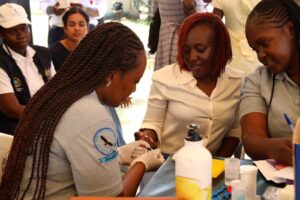
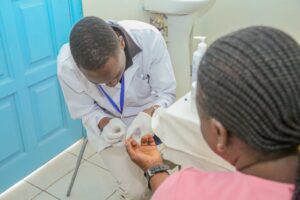
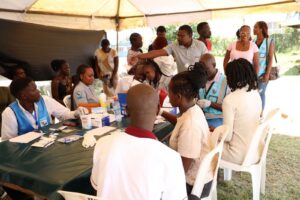
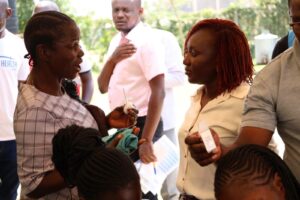
To address this challenge, JOOTRH has strengthened newborn and blood screening services to support early diagnosis and timely intervention. Hospital records continue to demonstrate the importance of early detection, with delayed diagnosis remaining a significant contributor to poor outcomes among children living with the disease.
While apheresis is transforming sickle cell care at JOOTRH, its success depends on a steady supply of safe blood. With each procedure requiring up to ten units of blood, voluntary blood donation remains essential to ensuring patients receive timely, lifesaving treatment. Through early screening, specialized care, and advanced technologies, JOOTRH is helping more patients with sickle cell disease live longer, healthier, and more productive lives.