Story by Philister Adhiambo and Photos by Ian Obadha
“Every cancer survivor is a testimony to the resilience of the human spirit and proof that treatment works.”
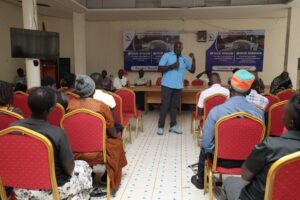
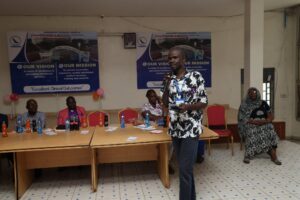
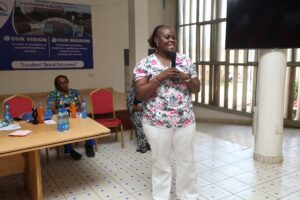
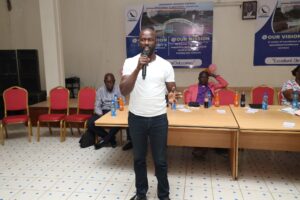
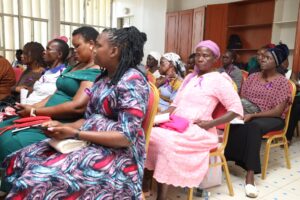
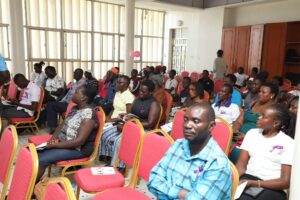
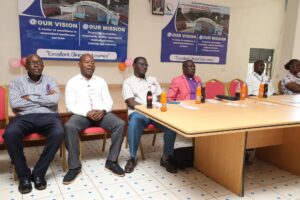
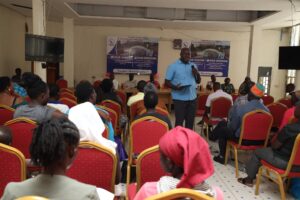
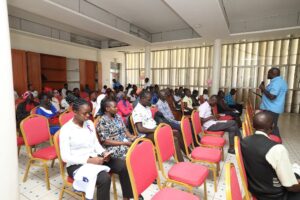
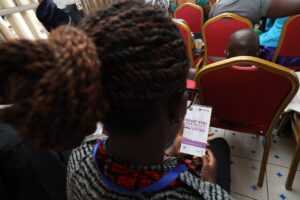
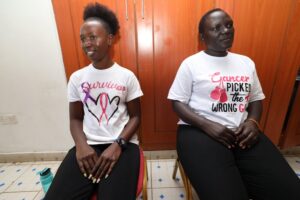
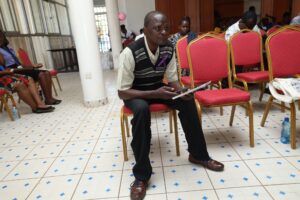
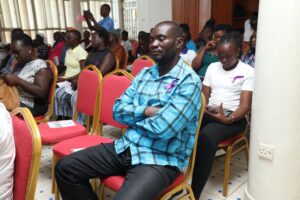
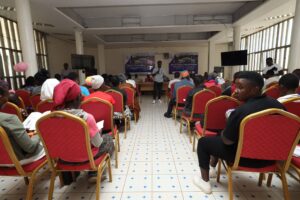
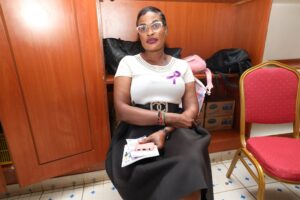
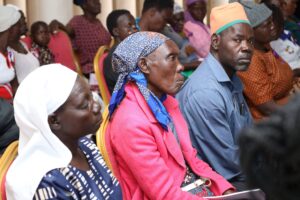
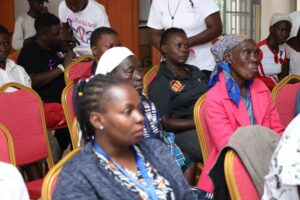
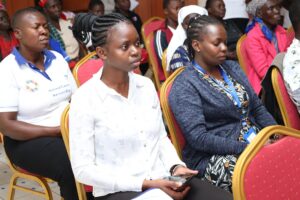
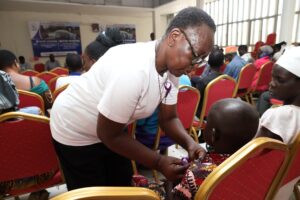
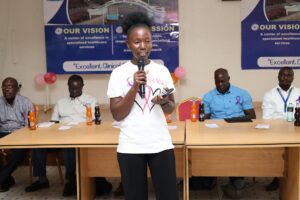
These words from Dr. Gabriel Ouma, a gynecologic oncologist at Jaramogi Oginga Odinga Teaching and Referral Hospital (JOOTRH), set the tone for a moving National Cancer Survivors Day celebration held at the hospital on June 11. The event brought together cancer survivors, caregivers, healthcare workers, advocates and support groups to honor those who have battled cancer and to inspire patients currently undergoing treatment.
The gathering served as both a celebration and a reminder that behind every survivor is a story of courage, sacrifice and perseverance. Throughout the event, survivors shared personal testimonies of their cancer journeys, speaking openly about the emotional, physical and financial challenges they faced and the support systems that helped them endure.
Dr. Ouma described cancer survivors as living proof that treatment works and urged patients currently receiving care not to lose hope. He noted that every survivor represents a victory not only for the individual but also for the healthcare teams, caregivers and support networks that accompany patients throughout their journey.
“A cancer survivor is a testimony to every human being,” he said. “They demonstrate that we have a working system at the oncology centre and give hope to patients currently receiving treatment.”
He also highlighted the critical role played by caregivers, emphasizing that family members and friends often provide the emotional strength patients need to continue treatment. According to Dr. Ouma, conversations between patients and survivors can be transformative, offering reassurance and motivation during difficult moments.
Among the voices of hope was Kevin Okao, a six-year cancer survivor and member of the Anchor of Hope Support Group. Okao encouraged patients not to give up despite the challenges associated with treatment. While acknowledging that the support group had lost seven members in the past year, he emphasized that survivorship is built on resilience, determination and the support of others who understand the journey firsthand.
“Cancer is not a death sentence,” he said, urging patients to remain optimistic and committed to treatment.
Philip Odiyo, Chairperson of the Kenya Network of Cancer Organizations (KENCO), echoed the message of hope. He described cancer as a mentally draining disease that requires emotional support alongside medical treatment. Odiyo encouraged patients to identify trusted individuals who can listen and walk with them through difficult moments.
“People often tell us what to do, but sometimes what patients need most is someone willing to listen,” he said. “When you lose hope, that is the beginning of the end of your journey.”
The event also provided a platform for survivors to share deeply personal experiences. John Aluvis Asuya recounted his long battle with cancer after being diagnosed in 2003. He described the diagnosis as a life-altering moment that affected him emotionally, socially and financially. Asuya recalled losing his job and struggling to explain his condition to his children, creating uncertainty for both himself and his family.
“It was a difficult time for my family and me,” he said.
Despite the hardships, Asuya persevered through treatment with the support of caregivers and loved ones, eventually emerging as a source of encouragement to other patients facing similar battles.
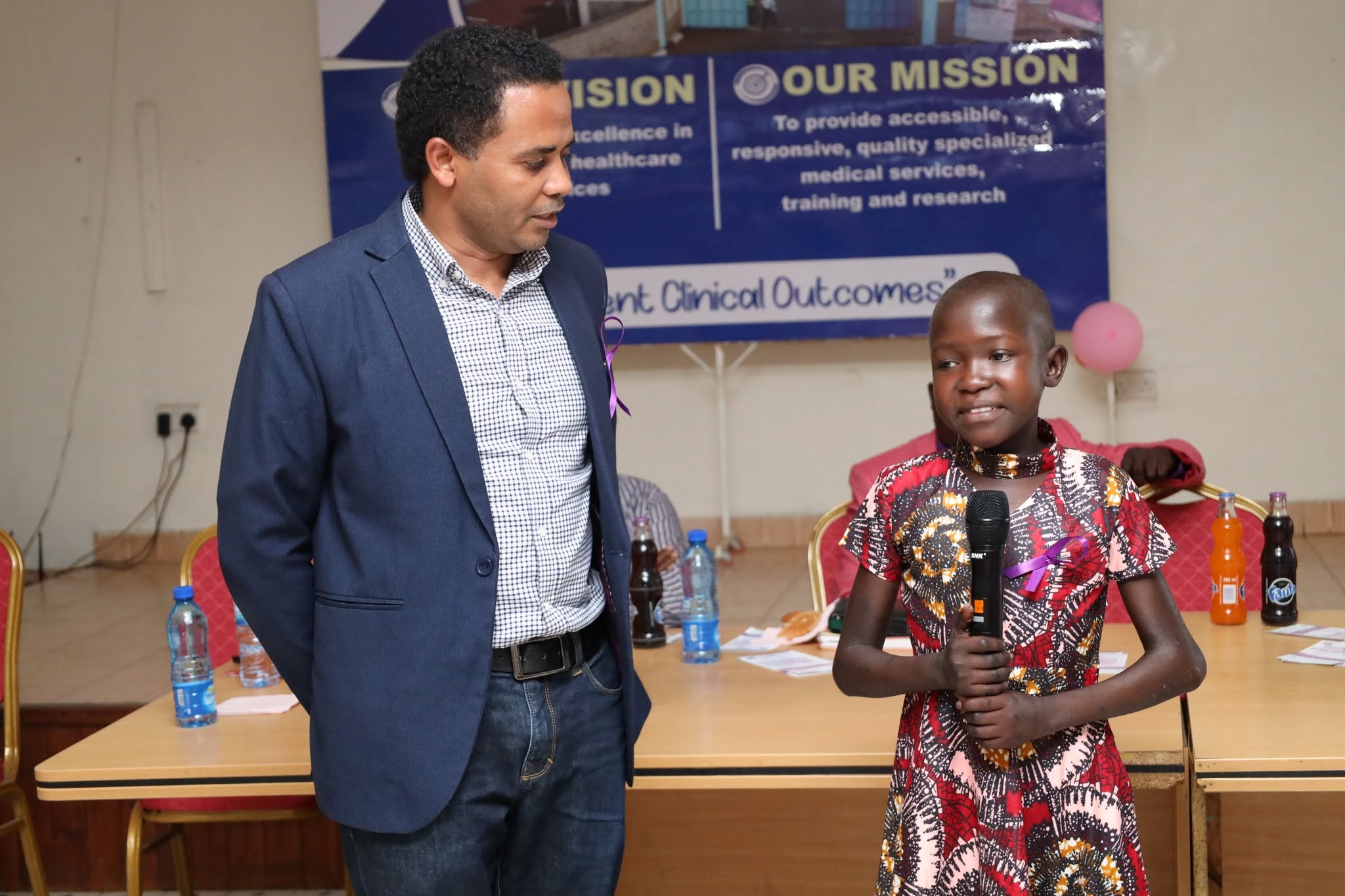
Twenty-year-old Davine shared an equally emotional testimony. She spoke about spending nearly a year receiving treatment in hospital and the profound impact cancer had on her young life. During her treatment journey, she lost both her sight and memory, challenges that would have been overwhelming for many people. Yet through determination, faith and support from those around her, she continued fighting.
Her story resonated deeply with participants, particularly younger patients and caregivers, as she encouraged others not to give up regardless of the obstacles they encounter.
The celebration also highlighted the work of the Anchor of Hope Support Group, which continues to provide psychosocial support, training and empowerment opportunities for cancer survivors and their families. Beyond supporting patients, the group advocates for cervical cancer prevention through HPV vaccination awareness campaigns and community education initiatives.
As the event came to a close, one message remained clear: while cancer continues to be one of the country’s most challenging health conditions, survivorship is possible. Through early diagnosis, access to treatment, strong support systems and unwavering hope, many patients are overcoming cancer and reclaiming their lives.