Story by Lorraine Faith and Photos by Ian Obadha
At the Oncology Unit of Jaramogi Oginga Odinga Teaching and Referral Hospital (JOOTRH), the medical team operates on a singular, powerful conviction: “Cancer is not a death sentence.” While breast cancer is a physical battle, the hospital recognizes that the impact on a patient’s mental health is often the most deeply overwhelming hurdle.
The diagnosis of breast cancer is an emotionally seismic event. For many, it triggers a cascade of fear, anxiety, and hopelessness. These psychological burdens are not just side effects; they are critical factors that influence how a body responds to treatment.
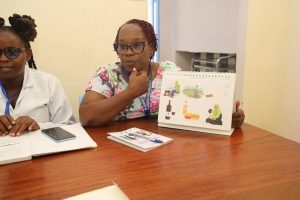
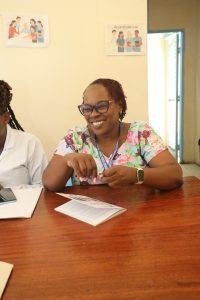
Mrs. Pevy Oduor, a counseling psychologist at the unit, emphasizes that breast cancer affects how patients think, feel, and cope. The emotional exhaustion stems from several key factors.
“physical changes from surgery or chemotherapy can lead to a loss of self-esteem.” she says , adding that the burden of treatment costs can be paralyzing and uncertainty about the future often leads to social withdrawal and depression.
When these mental health needs are ignored, patients may lose the motivation to adhere to medication schedules or attend grueling treatment sessions.
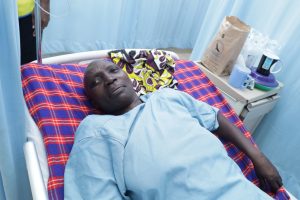
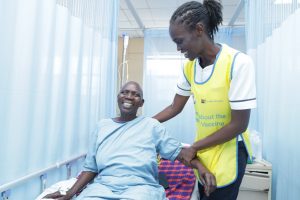
The reality of this emotional toll is best seen through the eyes of Mrs. Pamela Awuor Athero, a 52-year-old from Gem, Siaya County. When Pamela was diagnosed with breast cancer, she was consumed by the same myth many grew up with: that cancer meant certain death.
“The first thing that came to my mind was that people say once you have cancer, you will die,” Ms. Awuor recalls. “I cried as fear consumed my mind.”
Her fear reached a peak during her first chemotherapy session. Having never received intravenous treatment, the sight of the IV fluids terrified her. “I thought I was going to die. I did not know what chemotherapy was.”
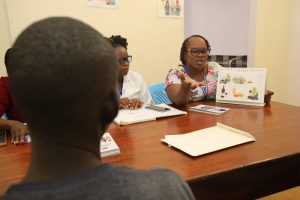
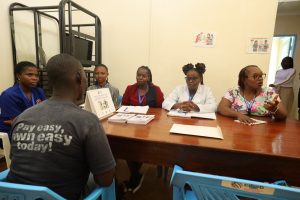
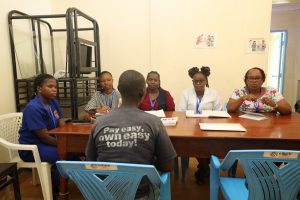
Awuor’s shift from to resilience didn’t happen in isolation. It was fueled by the integrated psychosocial support system at JOOTRH. To combat the isolation of breast cancer, the Oncology Unit has implemented several vital mental health pillars. A dedicated, confidential room allows patients to express their deepest fears—like Pamela’s fear of the “death sentence”—in a safe environment.Every Friday, patients gather to share victories and struggles.
For Awuor, listening to stories of resilience from fellow survivors was the catalyst that helped her realize she was not alone.
Mrs. Rachael Kassam, a social worker on the team, works to ease the “financial anxiety” by enrolling patients in the Social Health Authority (SHA). This was a lifeline for Pamela, whose caregiver used SHA to manage treatment payments, allowing Pamela to focus on healing rather than bills.
Today, Awuor stands as a testimony to the power of unwavering support. The encouragement from her medical team and her dedicated caregiver—who even welcomed Pamela into her home—transformed her outlook. “That is where I got strength,” Awuor says. “I decided to focus on healing.”
By addressing mental health alongside physical oncology, JOOTRH ensures that patients like Awuor are not defined by their illness. Breast cancer may change a life, but with emotional resilience, community support, and compassionate care, it does not have to end the story. Through counseling and peer support, patients find the courage to face the IV lines and the long recovery days, proving that while the body fights the disease, the spirit can remain unbroken.