Story by Sherine Atieno and Photos by Ian Obadha
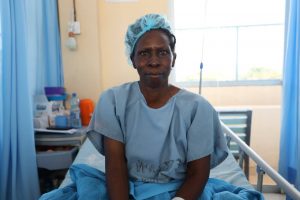
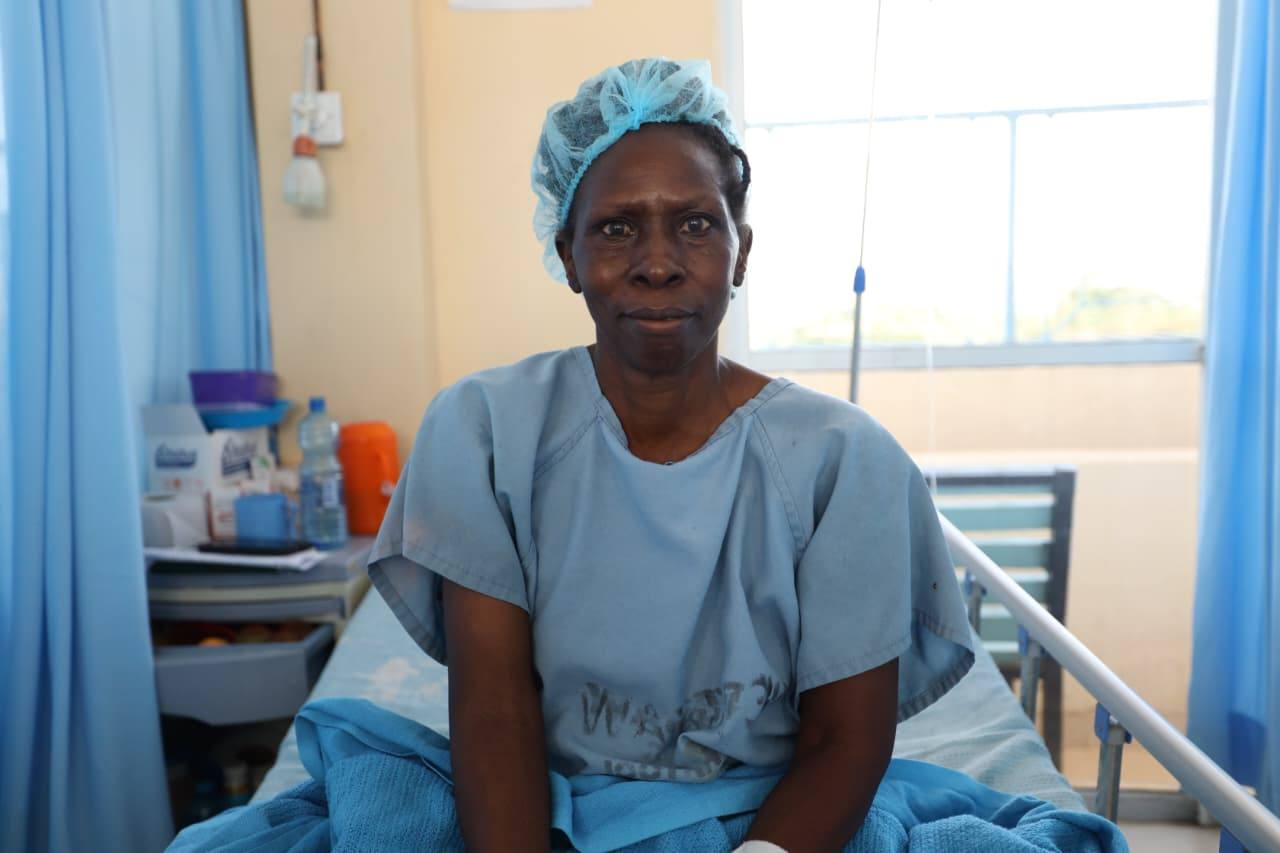
A multidisciplinary cardiothoracic team at Jaramogi Oginga Odinga Teaching and Referral Hospital (JOOTRH) successfully performed the hospital’s first complex abdominal aortic aneurysm (AAA) repair, restoring hope to 50 year old Hellen Nyakerario of Nyamira.
Ms. Nyakerario had struggled with severe lower back and leg pain for more than five years, symptoms she initially treated with medications at a local hospital in Nyamira. During these visits she also experienced an unusual shaking sensation on her left lower abdomen, but without a clear diagnosis.
Frustrated by ongoing pain and deterioration in her daily functioning, especially as she sustained her family by harvesting tea leaves, she sought advanced care. After repeat tests, she was referred to JOOTRH for definitive treatment.
She was admitted on January 8, 2026, and an urgent surgery was scheduled for January 15, 2026 after doctors confirmed a dangerous swelling in a major artery deep inside her abdomen — a condition not visible on the surface but life threatening if left untreated.
An abdominal aortic aneurysm is a dilation or balloon like swelling of the aorta (the largest artery in the body) as it passes through the abdomen. Over time, the wall of the artery can weaken and enlarge. If the aneurysm becomes too large, it can rupture, causing internal bleeding that is often fatal without emergency treatment.
According to Dr. Robert Sadia, a cardiovascular surgeon at JOOTRH, abdominal aortic aneurysms are one of the leading causes of sudden death in adults when they rupture. A rupture occurs when the artery dilates more than half its normal size and breaks open, leading to massive internal bleeding.
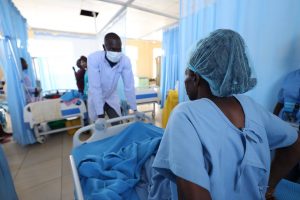
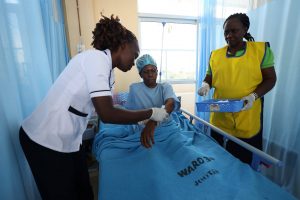
The complex procedure at JOOTRH involved replacing a section of the abdominal aorta, a technically demanding operation requiring coordinated expertise from vascular, cardiovascular, anaesthesia, and critical care teams. The success marks a milestone in the hospital’s cardiothoracic unit and expands local capacity for advanced vascular surgery.
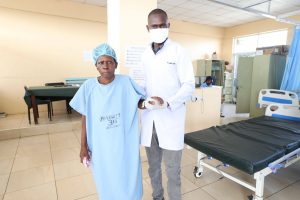
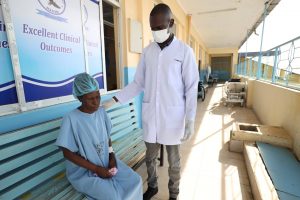
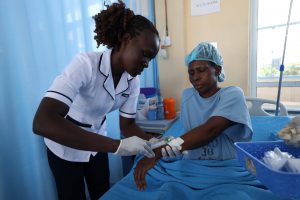
Ms. Nyakerario is now recuperating in Ward 3B, feeling stronger each day and optimistic about returning to her normal life with her family’s support.
Because abdominal aortic aneurysms often develop silently, many people remain unaware of the condition until it is advanced or ruptures. Research shows that mortality from ruptured AAAs is extremely high, with many studies estimating that up to 80 % of patients with a ruptured aneurysm die, and a significant number never reach a hospital.
Globally, an estimated 170,000 deaths each year are attributed to AAAs, disproportionately affecting adults over 55. Population analyses indicate that about 30 % of ruptured AAAs result in sudden death in the community before patients can access medical care. Even for those who reach surgery, in hospital mortality after rupture can exceed 40–50 %, highlighting the serious risks associated with delayed diagnosis and treatment.
These data highlight the importance of early detection, timely referral to specialized centers, and advanced surgical care to prevent catastrophic outcomes.
Most AAAs don’t cause symptoms until they are large or rupture, which is why screening or imaging in high risk groups can save lives.
Larger aneurysms carry progressively higher risks of rupture, and for this reason, surgical repair is usually recommended once they reach critical size thresholds in clinical practice.
Ms. Nyakerario’s condition had been affecting her life and work for years, but because her swelling was “hidden,” she sought relief through pain medicines before a diagnosis was made.
Her journey reflects the challenges many patients face in accessing specialized vascular care in Kenya. Now, thanks to the surgical team at JOOTRH, she has a second chance at life.